


US President Donald Trump has shifted his focus from protecting Iranian protesters to demanding that Iran halt its nuclear ambitions. The recent deployment of a substantial military armada towards Iran suggests a potential attack on the Tehran regime. Previous administrations had avoided addressing the Iran issue, despite pressure from Israel, due to its complexity.
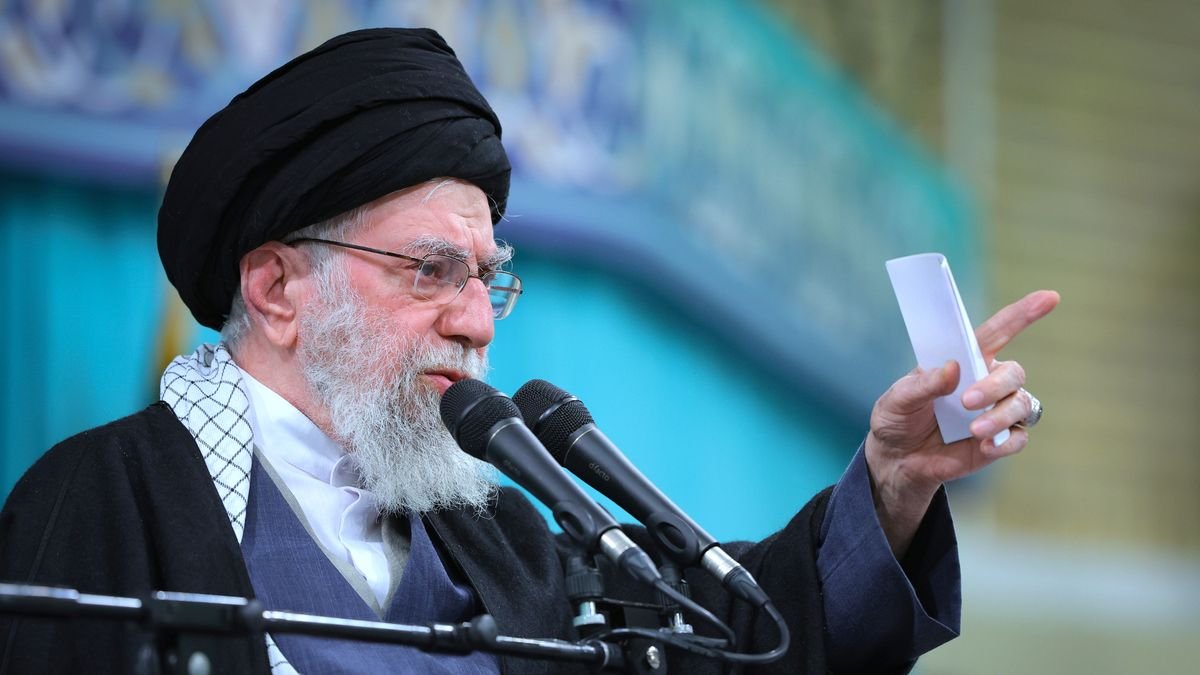
However, the current vulnerability of Iran, particularly with its weakened proxies like Hamas and Hezbollah, has made it a more feasible target for a large-scale assault. The Pentagon has long been revising war plans against Iran, including strategies to prevent the regime from acquiring nuclear capabilities. Israel has been advocating for concerted efforts to remove the Ayatollah Khamenei and the Islamic Revolutionary Guard Corps from power, citing Iran’s support for terrorism over the years.
Israeli intelligence has emphasized the importance of targeted strikes, espionage, and sabotage missions to disrupt Iran’s nuclear program while leaving room for a future for the Iranian people post-attack. Recent protests in Iran, fueled by economic struggles and human rights concerns, have further weakened the regime’s standing.
With Iran’s proxies in a diminished state, the likelihood of significant retaliation in the event of an attack has decreased. Trump’s advisors may view the current scenario as an opportune moment to confront Iran and potentially bring an end to the existing regime.