

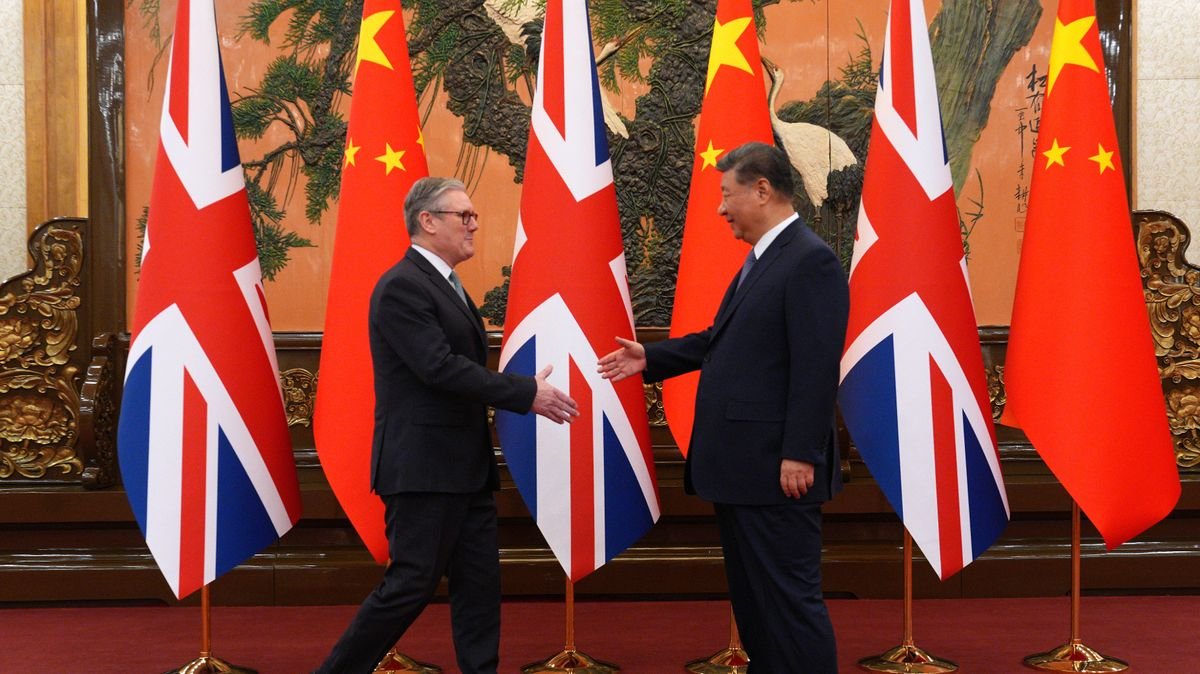

Keir Starmer skillfully engaged in discussions with Chinese President Xi Jinping, showcasing adept diplomacy during their meeting. Despite their differing football team allegiances, Starmer found common ground with Xi by presenting him with a signed match ball from Arsenal’s recent defeat to Manchester United.
The exchange, which included Xi expressing interest in various Premier League teams, highlighted a friendly tone between the two leaders. This interaction, while seemingly inconsequential, sheds light on the strained history of the UK-China relationship.
Amid ongoing tensions stemming from issues like espionage and human rights violations, Starmer recognizes the importance of fostering ties with China for economic benefits. With the global landscape shifting due to unpredictable foreign policies, the UK aims to strengthen its trade relationships, with China being a key player.
Starmer’s recent meeting with Xi, unlike their previous formal encounter, was marked by extended discussions and a shared lunch. The leaders reached agreements on visa arrangements and deeper cooperation, signaling a commitment to enhancing bilateral relations.
However, underlying the cordial atmosphere are complex challenges such as allegations of espionage and human rights abuses in China. Starmer faces pressure to address sensitive issues like the persecution of Uyghur Muslims and the imprisonment of pro-democracy activists.
Despite the risks involved, Starmer’s strategic approach reflects a calculated effort to engage with China and address contentious issues head-on.