

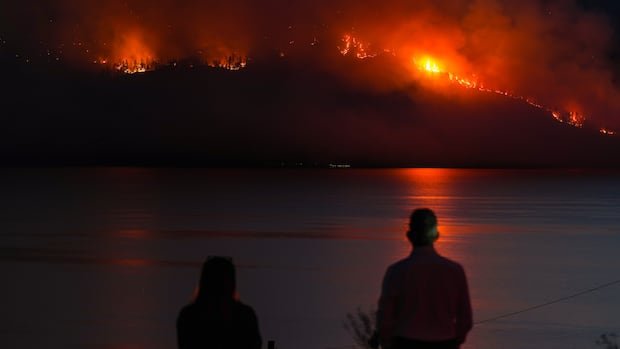

Amidst rising global temperatures, a potent El Niño event, dubbed as a “super” or “Godzilla” El Niño, has resurfaced in the Pacific Ocean. The scorching heatwaves experienced in North America and Europe during July set record highs, leading to numerous heat-related fatalities, dried-up rivers, and widespread wildfires, including in Canada. While this intense summer coincides with the return of El Niño, climate scientists clarify that the event itself is not directly responsible for these extreme weather occurrences. However, they warn that the convergence of El Niño and human-induced climate change could exacerbate the already heightened extreme weather conditions.
According to Josh Willis, a climate scientist at NASA’s Jet Propulsion Laboratory, the impact of El Niño is expected to be significant and widespread across a vast area, indicating tumultuous times ahead. El Niños, occurring naturally every three to seven years, involve a rise in sea surface temperature in the Pacific equatorial region, causing atmospheric rearrangements and altering weather patterns globally. This particular El Niño, potentially rivaling the strength of past significant occurrences, could have far-reaching implications well into 2027, as it continues to influence weather systems.
The current El Niño phenomenon has already begun to manifest observable effects in various regions. In South America, Peru and Ecuador face the dual threats of heavy rains and drought, while Indonesia grapples with an extended wildfire season. Additionally, the Atlantic hurricane season is experiencing fewer tropical storms, attributed to the El Niño effect redirecting storm patterns. The impending winter forecast suggests varying conditions in different regions, with Canada and the northern U.S. anticipating a warmer winter, contrasting with the wetter conditions expected in the southern U.S.
As the world contends with a warmer climate due to human-induced factors, the impact of El Niño on global weather patterns presents new challenges. Climate scientists caution that the combination of El Niño and ongoing climate change trends could lead to unpredictable outcomes. The prolonged influence of this El Niño event is expected to persist for at least the next six to 12 months, underscoring the need for continued monitoring and adaptation strategies to mitigate its effects on communities worldwide.