

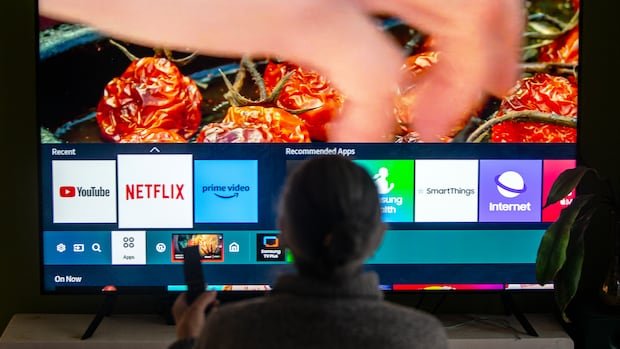

Dozens of Canadian cultural sector organizations are urging Prime Minister Mark Carney to retain regulations that require foreign streaming platforms like Netflix to financially support Canadian content. The government’s plan to replace the 15 percent tax on large streamers’ Canadian revenue with direct government funding has raised concerns among these groups. In a joint letter signed by 50 organizations, they argue that the proposed annual funding is not a sufficient alternative to a CRTC-regulated contribution system, as it can be altered through the federal budget process.
The letter emphasizes that while the government’s pledge of $600 million per year is appreciated, it lacks the durability and legal enforceability of contribution obligations under a regulated framework. The signatories, including the Canadian Media Producers Association and unions representing Canadian actors, writers, and directors, express unease over the government’s decision to eliminate the financial contribution requirement for streamers and replace it with discretionary funding, citing the introduction of uncertainty in the production sector.
Despite the Canadian Radio-television and Telecommunications Commission (CRTC) previously increasing contributions for large streaming services to 15 percent, the government announced its intention to provide direct annual funding in June, a move that has stirred apprehension within the industry. The letter, also directed to Culture Minister Marc Miller, stresses the importance of maintaining the 15 percent contribution benchmark to ensure a fair and proportionate regulatory framework.
Although the Canadian government altered its stance on streaming regulations following pressure from the United States, with American officials labeling the legislation as a trade concern, the United States trade representative has indicated that Canada might not receive full recognition for the policy shift.