

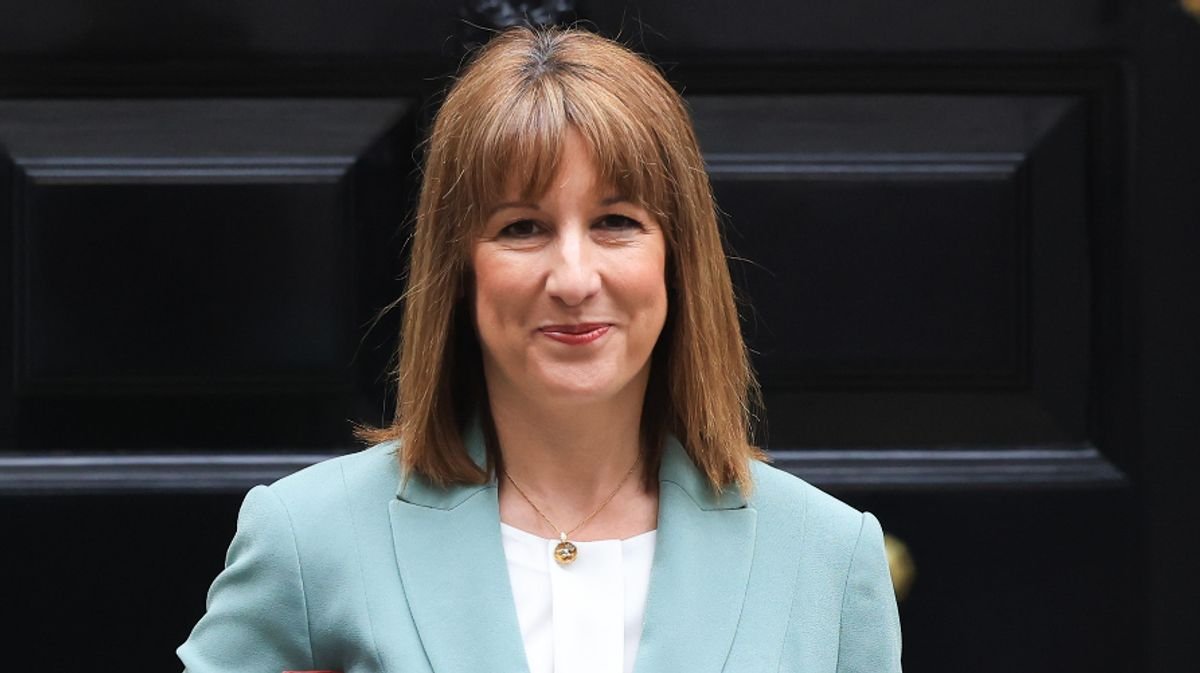

During a recent session with MPs, it was highlighted that Rachel Reeves should steer clear of implementing a multitude of tax increases akin to picking from a random selection, also known as a “Scrabble bag.”
Experts speaking to the Treasury Committee suggested that in the upcoming Budget, the Chancellor might need to raise significant taxes to address the deficit in public finances.
Reeves faces the challenge of balancing the budget after the Government’s policy reversals on cuts to winter fuel and disability benefits, amidst slow economic growth, escalating borrowing costs, and sustained inflation.
Concerns arose when Ms. Reeves hinted at potential tax hikes, having raised taxes by over £40 billion the previous year to boost public services.
Although Labour’s manifesto vows to shield working individuals from National Insurance, VAT, and income tax hikes, the Chancellor is confronted with the dilemma of either raising taxes or implementing spending cuts, adhering to the stringent fiscal rules prohibiting borrowing for daily expenses.
According to tax expert Dan Neidle, the preferable approach would be to increase a major tax, potentially by broadening the VAT base, even if it risks breaching a manifesto promise. Alternatively, the less favorable option would involve a mix of numerous minor tax increases.
Neidle expressed concerns about the complexity and compromises in the tax system over the past three decades, emphasizing the need for a tax structure that fosters economic growth.
Ruth Curtice, Chief Executive of the Resolution Foundation, suggested that tax hikes should be considered in the upcoming Budget, citing the UK’s high borrowing costs relative to other affluent nations.
Emphasizing the importance of considering the impact of tax increases post the recent period of financial strain, she urged a thoughtful approach to ensure fair distribution among taxpayers.
The Resolution Foundation, focusing on low to middle-income households, recommended a reduction in employee national insurance and an increase in capital gains tax. Helen Miller from the Institute for Fiscal Studies suggested that substantial revenue could be generated without touching major taxes, raising the question of the necessity of such actions.
Addressing the challenges faced by ordinary citizens, the Chancellor highlighted the priority of managing inflation, controlling public expenditure, and promoting economic growth during a recent Cabinet meeting.