

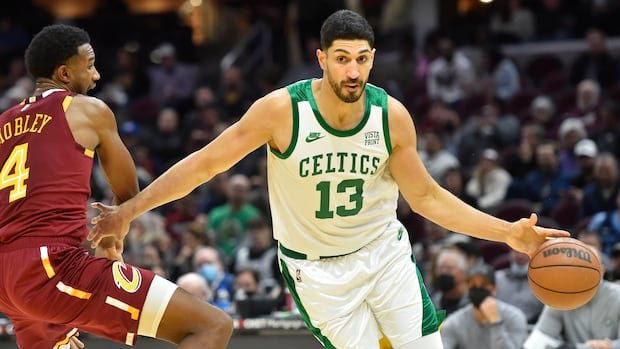

Two ex-NBA athletes have stirred controversy by announcing their intention to join the 2027 WNBA draft, sparking backlash from critics who view their actions as disrespectful and undermining to transgender individuals. The WNBA has been embroiled in debates surrounding transgender athletes following comments made by Indiana Fever player Sophie Cunningham.
Enes Kanter Freedom and Royce White have stated that their plans are contingent on the league’s regulations, which stipulate that only women can participate but do not explicitly exclude transgender women. Kanter Freedom emphasized on Instagram that he meets all requirements for the WNBA and is not intending to offend any community. On the other hand, White, who previously played three NBA games, claimed he identifies as a woman for basketball purposes and highlighted physical attributes that he believes make him a fit for the league.
Experts, including Daniel Sailofsky from York University, suggest that targeting the WNBA, known for its diverse and politically active player base, is a strategic move within a broader right-wing agenda against transgender individuals. The players’ union has condemned any form of discrimination and emphasized the importance of inclusivity in sports.
The WNBA’s eligibility rules allow only women to participate but do not explicitly address transgender inclusion. The league has denounced efforts to use the topic to marginalize others and has reaffirmed its commitment to ongoing discussions regarding transgender athletes.
The broader context reveals a trend where anti-trans messaging is being pushed through women’s sports by right-wing figures, influencing policy decisions and organizational regulations. Recent actions in the U.S. and Canada, such as executive orders and legislative bans on transgender participation, highlight the impact on transgender individuals’ access to sports. Experts stress the need for creating inclusive and safe environments for all individuals in sports discussions.
The debate surrounding transgender athletes in sports is complex and requires careful consideration of marginalized populations’ rights and inclusivity.