


A recent study has revealed a potential link between microplastics detected in the human gut and the onset of depression. The research, one of the first to explore how various types of common microplastics interact with the human gut microbiome, sheds light on the significant impact of these microorganisms on our health and emotional well-being.
The human gut microbiome, consisting of trillions of micro-organisms, including beneficial and harmful bacteria, plays a crucial role in bodily functions and development. Using stool samples from five healthy individuals, researchers cultivated gut microbiome cultures in a laboratory setting and exposed them to five prevalent types of microplastics.
The study observed that some microplastics triggered changes in gut microorganisms resembling patterns seen in individuals with depression and colorectal cancer. Lead researcher Christian Pacher-Deutsch from CBmed and the Medical University of Graz emphasized that while the findings do not conclusively prove that microplastics directly cause depression, the omnipresence of microplastic exposure in daily life is concerning.
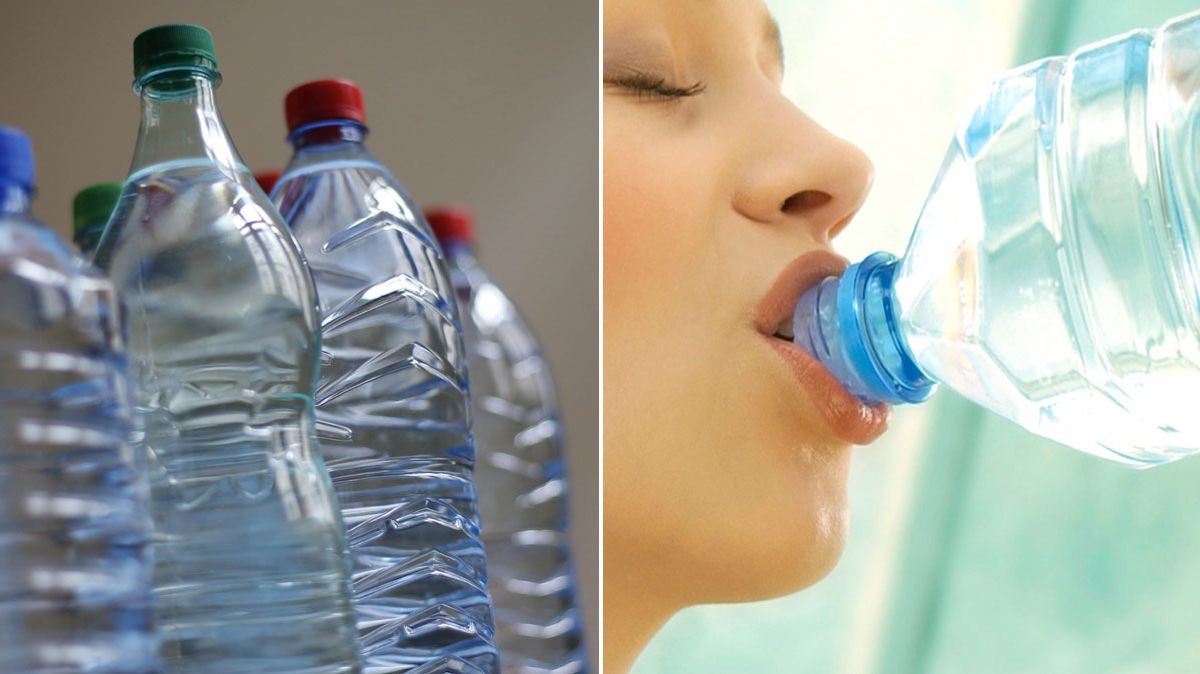
Microplastics are pervasive in various sources such as fish, salt, bottled water, and tap water, leading to daily exposure through ingestion, inhalation, and skin contact. The study underscores the impact of microplastics on the microbiome, emphasizing the need to minimize exposure as a precautionary measure.
Microplastics, tiny plastic particles smaller than 5mm, have infiltrated human environments extensively. The microbiome cultures were exposed to five common microplastic types, including polystyrene, polypropylene, low-density polyethylene, poly(methyl methacrylate), and polyethylene terephthalate.
Research suggests that microplastics may alter microbial composition through creating favorable physical or chemical environments for specific bacteria. Changes in bacterial groups, including Lachnospiraceae, Oscillospiraceae, Enterobacteriaceae, and Ruminococcaceae, were observed across different microplastic types, impacting the balance of gut bacteria crucial for digestion and overall gut health.
Moreover, shifts in bacterial composition led to changes in chemical production and increased acidity levels. These findings were presented at the United European Gastroenterology Week 2025 event in Berlin, highlighting the potential effects of microplastics on the gut microbiome.
Christian Pacher-Deutsch suggested that microplastics might carry chemical substances that directly influence bacterial metabolism, leading to alterations in acid production and microbial response, affecting the gut’s pH balance. These microbial shifts could trigger feedback loops that further disrupt the microbiome equilibrium.