

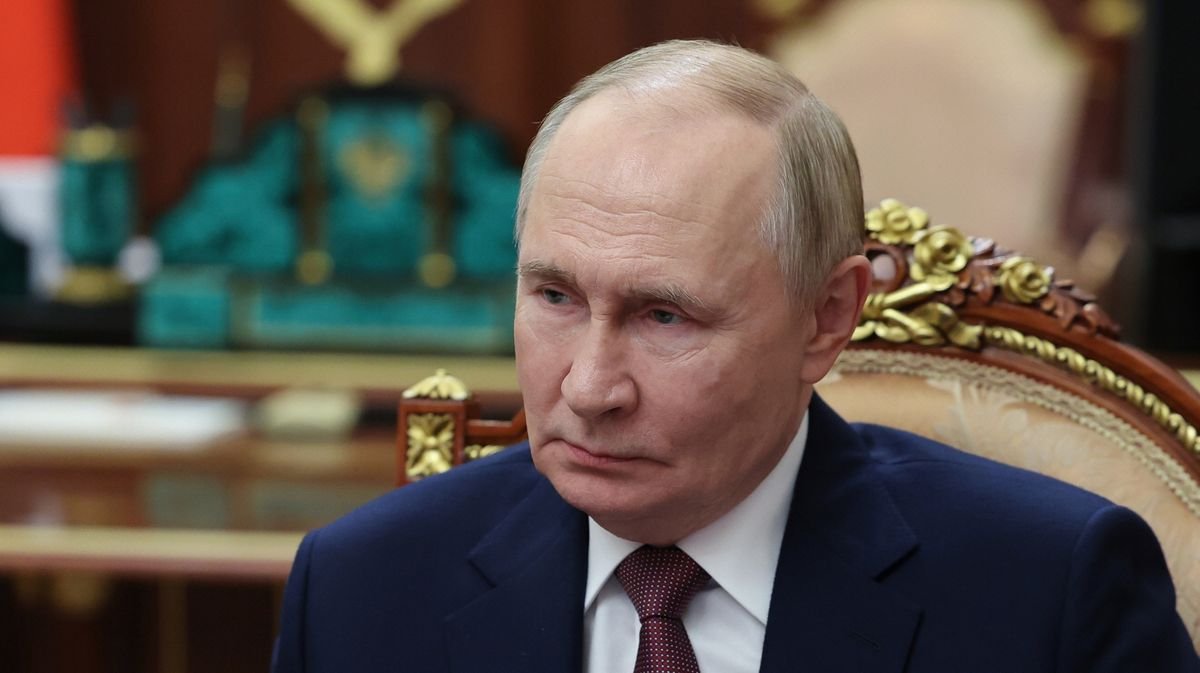

Keir Starmer emphasized the need for allies to compel Vladimir Putin to engage in peace talks, as he believes the Russian leader is not genuinely interested in resolving the conflict. The Prime Minister highlighted that the Coalition of the Willing nations supporting Ukraine would intensify efforts to pressure Russia by imposing economic sanctions and enhancing Kyiv’s military capabilities with advanced missiles.
Following discussions with over 20 partners in London, Mr. Starmer aimed to capitalize on the momentum generated by recent sanctions imposed by the US and EU on Russia. He outlined a strategic roadmap for the upcoming months, which includes strategies to disrupt funding for Putin’s military operations by targeting Russian energy resources.
Addressing the pressing situation, Mr. Starmer stressed the necessity of releasing frozen Russian assets to bolster Ukraine’s defenses, stating that Russia should bear the financial responsibility for the destruction it has caused in Ukraine. Additionally, he called for the reinforcement of Ukraine’s air defense systems and the provision of long-range missiles to enable Kyiv to strike deep into Russian territory.
Standing alongside Ukrainian President Volodymyr Zelensky, Mr. Starmer condemned Putin for his recent aggressive actions, emphasizing the civilian casualties and destruction inflicted by Russian forces. He dismissed Putin’s territorial demands as unrealistic and reiterated that the Russian leader’s actions demonstrate a lack of commitment to achieving peace.
President Zelensky characterized Russia’s actions as a “campaign of terror” aimed at disrupting Ukraine’s energy infrastructure, particularly as winter approaches. He urged for the supply of long-range missiles to Ukraine, emphasizing the importance of leaving Russia with no choice but to end the conflict and restore peace.
While applauding the US’s sanctions against major Russian oil companies, President Zelensky called for further expansion of sanctions to increase pressure on Russia. NATO Secretary General Mark Rutte highlighted the diminishing resources and morale of Russian forces, noting the significant casualties suffered by Russian troops for minimal gains.
Danish PM Mette Frederiksen advocated for a swift decision on allowing Ukraine to access funds from frozen Russian assets before Christmas Eve. Dutch PM Dick Schoof emphasized the need to address the shadow fleet that facilitates the illegal export of Russian oil to fund the ongoing conflict.
Overall, the international community remains united in its efforts to support Ukraine and hold Russia accountable for its actions, with a focus on diplomatic, economic, and military measures to bring an end to the hostilities.