

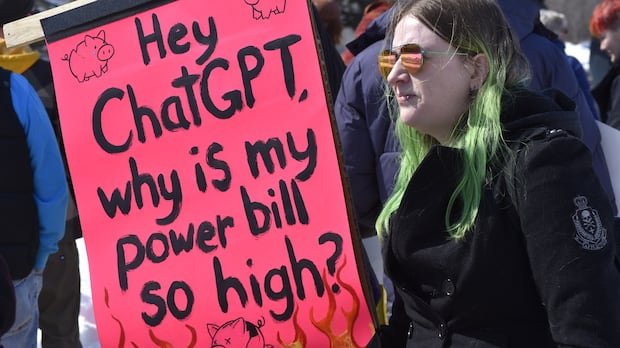

The Municipality of Cumberland is proceeding with a temporary suspension on data centers that facilitate artificial intelligence applications. During a council meeting, a proposed bylaw to initiate a six-month pause on development permit requests for data centers received unanimous approval for its first reading.
Concerns raised by residents, like the potential impact on water and electricity resources, prompted the decision. Councilor Jennifer Houghtaling emphasized the need for a well-informed choice and drew a comparison between Nova Scotia and Alberta’s interconnectedness.
Following Oakville, Ont., Cumberland Mayor Rod Gilroy noted that his council is the first in Nova Scotia to follow suit with a moratorium until specific regulations are established for data centers.
The issue arose in June after residents expressed apprehension over a land purchase in Malagash. The company, 3Sha Infotech Inc., owning farmland in Upper Malagash, has not disclosed its plans despite attempts to reach out. Cumberland CAO Greg Herrett indicated that the moratorium was a proactive measure based on community concerns, as no applications have been received.
Local resident Kate Dunn supported the decision to pause AI data centers, citing potential disruptions to rural life, like noise pollution. She stressed the need for more evaluation on the value and impact of these facilities.
Dunn also expressed concerns over potential government interference in municipal regulations, similar to past instances with wind turbine setbacks. The Ministry of Municipal Affairs indicated that no planning framework for data center applications is being developed presently to ensure grid protection and provincial well-being.
As the proliferation of AI data centers grows across North America, opposition towards them is mounting. Large protests and legal battles have been observed in Canada, while Alberta is welcoming projects by companies like Meta. A recent Angus Reid poll revealed that a majority of respondents oppose the construction of large AI data centers near residential areas and advocate for strict government regulations, despite potential delays in development.
The second reading of the bylaw will be scheduled after a public hearing in September. Further updates on the moratorium and data center regulations are anticipated.