

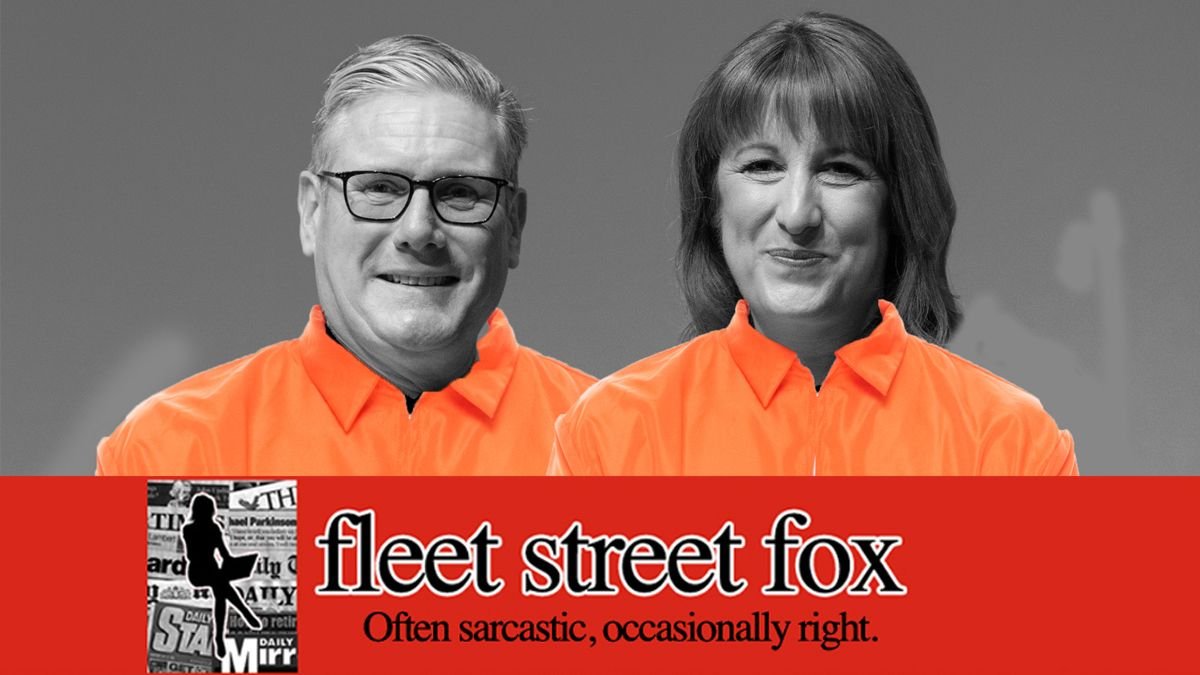

As the Budget approaches this Wednesday, it’s not necessary to be wealthy to feel anxious about it. Just being an ordinary, rational, and empathetic individual is sufficient to make you reluctant to witness Chancellor Rachel Reeves present her speech at the Despatch Box.
The upcoming Budget presentation is unlikely to be captivating. Anticipated are tax increases, economic challenges, debt concerns, budget cuts, financial maneuvers, and political posturing. Chancellor Rachel Reeves, reputed for her lackluster skills, is expected to deliver the speech, leaving many wondering about the color of her hair, a trivial detail amid the broader economic discussions.
While there has been significant pre-Budget speculation and public consultation, the ultimate motives behind the Budget drafting by Chancellor Reeves and Prime Minister Keir Starmer remain clear. Their focus is primarily on satisfying financial institutions, market demands, polling trends, and party interests, rather than directly addressing the public’s concerns about the cost of living.
The current economic climate presents limitations on implementing substantial changes. Factors such as financial constraints, political complexities, and the absence of revolutionary fiscal policies hinder any dramatic shifts in the Budget announcements. The narrative of change is emphasized, yet the reality may fall short of substantial transformations.
Despite the political rhetoric surrounding the Budget, the prevailing challenges such as economic stagnation, job losses, technological advancements, global trade dynamics, and societal transitions demand genuine reform. The electorate craves meaningful changes that address these pressing issues.
The current administration led by Starmer and Reeves faces criticism for its perceived lack of progress and failure to address longstanding issues effectively. The political landscape remains turbulent, with uncertainties prevailing over the effectiveness of government policies and the prospects for sustainable economic recovery.
In a hypothetical scenario where Labour had claimed victory in 2029, the narrative suggests potential improvements in various areas such as international relations, economic stability, and market reintegration efforts post-Brexit. However, unforeseen challenges such as the Covid-19 pandemic and political scandals have undermined the government’s credibility and hindered its ability to enact transformative policies.
Amidst the political turmoil and public scrutiny, the Budget announcement serves as another chapter in the ongoing struggle of the Starmer-Reeves administration. The mounting pressures and internal challenges indicate a precarious future for the current leadership, with uncertainties looming over their ability to steer the country towards sustainable progress.