

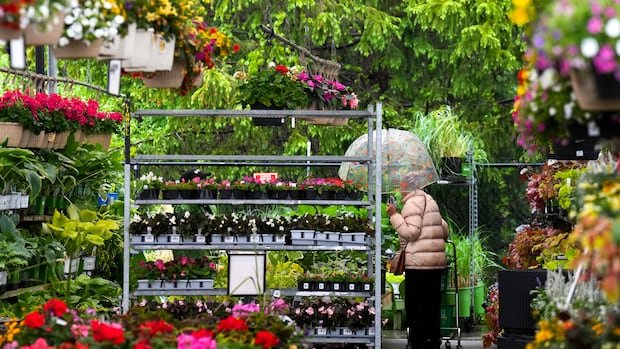

Canadian cities are taking action to prevent the sale of invasive plants in local garden centers, as advocates urge the Canadian government to implement a national strategy for regulating the horticultural industry. Invasive plant species pose a threat to biodiversity nationwide, prompting municipalities to address gaps in the current regulatory framework, which varies by region. Canada aims to reduce the introduction and establishment of invasive species by 50% by 2030.
The Canadian Coalition for Invasive Plant Regulation (CCIPR) is calling for the establishment of a federal regulatory body overseeing the horticultural sector and the creation of a national database identifying invasive plants and their associated risks in different regions. According to CCIPR co-founder Cathy Kavassalis, it is essential to inform the public about potential harm posed by invasive plants, similar to how warnings are provided for other products.
While the Canadian Food Inspection Agency (CFIA) regulates some invasive plants under the Plant Protection Act, provinces and territories also have their own legislation for managing invasive species. The CFIA emphasized that their approach focuses on species-specific risks rather than a blanket prohibition. They highlighted the shared responsibility among federal, provincial, and municipal authorities, industry stakeholders, and invasive plant organizations in managing invasive species effectively.
Recent local initiatives include Nanaimo and Surrey passing motions to restrict the sale of invasive plants, while London’s environmental committee suggested requiring retailers to provide information about invasive plants at the point of sale. However, Kavassalis expressed concerns that addressing this issue at the municipal level leads to fragmented solutions and resource wastage.
Advocates are urging Ottawa to prioritize addressing the horticultural trade to meet the 2030 biodiversity target. Studies have shown that the sale of ornamental non-native plants serves as a primary pathway for introducing invasive species. A national database could offer a shared source of information for stakeholders and help identify high-risk plants in different regions. Additionally, advocates call for the removal or clear labeling of invasive plants in garden centers.
Horticulture expert Jim Hole noted that most garden centers would support efforts to prevent the spread of invasive plants, citing the example of halting the sale of purple loosestrife once it was identified as invasive. He emphasized the importance of research, regulation, and public education in controlling unwanted plants effectively.
Native plant advocate Lorraine Johnson highlighted the significant influence of nurseries in shaping consumers’ plant choices and emphasized the role of the horticultural industry in biodiversity loss. She stressed the importance of native plant gardens for supporting pollinators and ecosystems. Kavassalis emphasized the need to raise public awareness and shift the perspective of gardeners to view plants as integral parts of the natural world.