

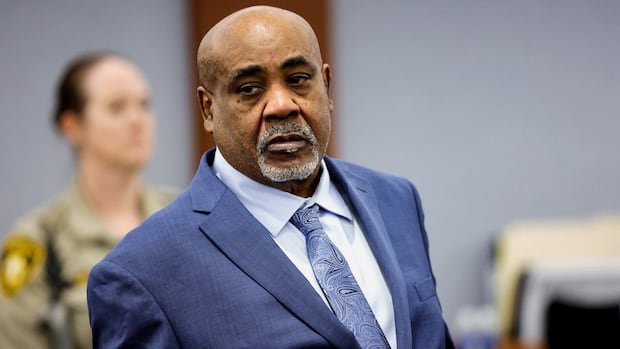

A prosecutor informed jurors during the commencement of a murder trial in Clark County, Nevada, that a former leader of a street gang masterminded the 1996 drive-by shooting of Tupac Shakur in Las Vegas as payback for his nephew’s beating. Duane (Keffe D) Davis, aged 63, faces a murder charge involving the use of a deadly weapon and has entered a plea of not guilty. Allegedly, Davis orchestrated a group of individuals to carry out the killing of Shakur, a prominent figure in the rap industry, during a drive-by shooting near the Las Vegas Strip in 1996.
The prosecutor, Binu Palal, revealed to the jury that Davis ensured the shooters were armed and ready to enact the plan for revenge when the opportunity arose. Palal referenced recent public statements made by Davis, reigniting interest in the long-dormant case. However, the defense attorney, Michael Sanft, argued that after three decades, there is a lack of substantial evidence to substantiate the prosecution’s claims. Sanft discredited Davis’s accounts, labeling them as unreliable and unverifiable.
The fatal shooting of Shakur accentuated the portrayal of violence in hip-hop culture and its lyrics during the peak of “gangsta” rap, fueling the East Coast-West Coast rap rivalry of that era. Authorities pointed out that Davis was a prime suspect in the murder for years but lacked admissible evidence until his self-incriminating public statements in 2023. The trial, presided over by Judge Carli Kierny, is anticipated to span up to six weeks and may involve testimony from Marion (Suge) Knight, a co-founder of Death Row Records, who was present with Shakur during the tragic incident and is currently serving a prison sentence for an unrelated offense.
Davis, described as the orchestrator of the retaliation plan following his nephew’s altercation with Shakur, allegedly provided the murder weapon to accomplices in a white Cadillac as they pursued Knight and Shakur’s vehicle after the initial confrontation at the MGM Grand casino. Shots were fired during the encounter, resulting in Shakur’s demise six days later and Knight sustaining a minor injury. Davis’s disclosure of his involvement in the shooting in various interviews and his memoir, “Compton Street Legend,” played a pivotal role in reviving the investigation.
While the specifics of who fired the fatal shots at Shakur remain undisclosed, under Nevada law, Davis can be held liable for murder if proven to have participated in the crime. The trial is expected to shed light on the events leading to the iconic rapper’s untimely death and may provide closure to fans like O’Ron Gordy, who expressed a desire for clarity and new revelations surrounding the tragic incident. Davis also implicated himself in the unsolved murder of another rapper, Christopher Wallace, known as the Notorious B.I.G., further intertwining the legacies of both artists.