


Canada’s initiative to construct a $267 million medical countermeasures laboratory in Winnipeg is seen as a crucial step in preparing for future pandemics. However, experts highlight significant challenges related to the facility’s long-term funding, staffing, and governance.
The federal government recently awarded a $10.2 million contract for the design of the laboratory, which is scheduled to be operational by 2033 adjacent to Winnipeg’s National Microbiology Laboratory (NML). While the new lab is intended to address the need for early-stage vaccine testing, experts stress that sustainable investments in skilled personnel are essential for its success.
Dr. Joanne Liu, a professor at McGill University and former head of Médecins Sans Frontières, emphasized the importance of having qualified staff to support the facility’s operations. Without a dedicated team, merely having a state-of-the-art building may not suffice in achieving its full potential.
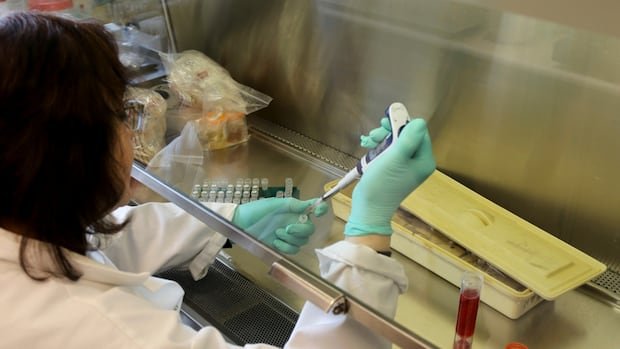
The facility aims to enhance Canada’s capacity for preclinical trials, providing a dedicated space for testing potential vaccines before advancing to clinical trials. Currently, due to space limitations, the NML repurposes labs originally designated for high-risk pathogen research for preclinical testing.
Experts, including Keith Fowke from the Canadian Institutes of Health Research, highlight the need for specialized facilities like cleanrooms to facilitate the transition of vaccine research from universities to human trials. Establishing such capabilities has been a long-discussed necessity, according to Gary Kobinger, a former NML scientist involved in developing the first successful Ebola vaccine.
Ensuring sustained funding during non-pandemic periods is crucial for the project’s success, as emphasized by McGill’s Dr. Liu. She underlined the importance of consistent investment in virus research and countermeasures, even when public attention shifts away from immediate health threats.
Moreover, concerns have been raised about the governance of the countermeasures lab, with warnings about potential bureaucratic obstacles and funding issues if the facility is solely government-managed. Lessons from past experiences, such as the development and commercialization of the Ebola vaccine, underscore the need for efficient governance to avoid delays and maximize impact.
While the government has defended its efforts to strengthen Canada’s medical countermeasures capacity, experts like Kobinger stress the importance of effective leadership and strategic planning to ensure the long-term success of such initiatives. Addressing governance challenges and maintaining sustained funding are critical components in realizing the full potential of the new medical countermeasures laboratory in Winnipeg.