

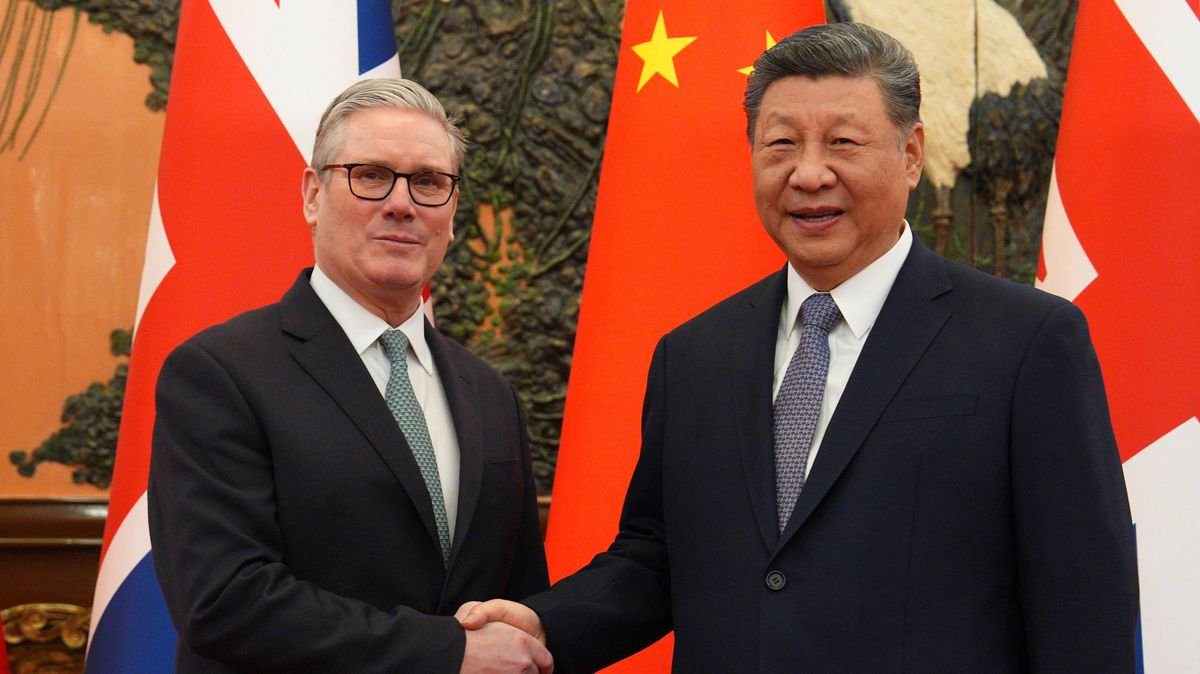

In Beijing, China’s President Xi Jinping and Keir Starmer engaged in a conversation that seemed to convey mutual admiration, with Xi praising Starmer’s ability to maintain control over his political realm while Starmer expressed relief at preventing Andy Burnham from securing a Manchester seat.
Recent developments in Manchester have brought attention to previously obscure areas like Gorton and Denton, now pivotal in the political landscape. The potential loss of a traditionally secure Labour seat to Reform poses a significant threat to Starmer’s leadership.
Starmer’s decision to block Burnham’s candidacy under the guise of avoiding a costly mayoral race has been met with criticism, highlighting his perceived weakness and self-preservation tactics. This adds to a series of governmental missteps, further eroding public confidence in his leadership.
The Labour party, once dominant, has seen a decline in membership and support under Starmer’s leadership, with polls indicating low approval ratings for him. The upcoming election in Gorton presents a crucial test for Labour, as they strive to counter the rising influence of Reform and address concerns about Starmer’s disconnect with working-class voters.
Matthew Goodwin, Reform’s candidate in Gorton, has stirred controversy with his views on British identity, contrasting with Burnham’s grounded approach and rapport with the local community. Labour’s strategy in Gorton reflects a broader need for relatable politicians who can resonate with voters disillusioned by mainstream politics.
The outcome in Gorton could shape the future political landscape, with implications beyond the constituency. The rise of alternative party leaders like Farage and Polanski underscores the growing discontent with traditional political establishments, posing a real threat to Labour’s relevance and influence.
As the political scene evolves, the need for authentic leadership and genuine connection with voters becomes increasingly crucial. Starmer’s fate and Labour’s prospects hinge on their ability to address these challenges and regain public trust in a rapidly shifting political environment.