

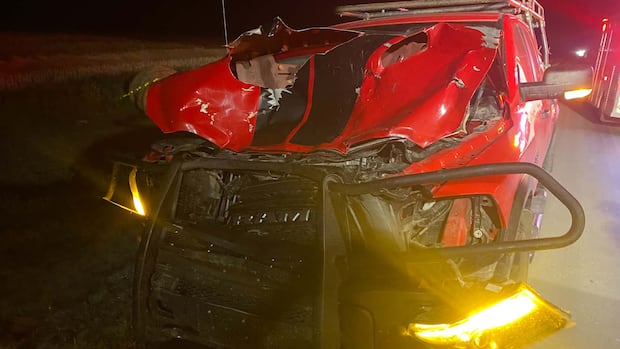

Robert Belley attributes his survival to several metal bars installed on his truck.
“I knew we had struck something … I could still see the moose attempting to cross the highway. It was still alive, and then the pain hit me hard,” Belley remembers.
He and his wife collided with a moose near Lanigan during a fall evening in 2024.
Two years later, he has limited use of his left hand, hindering his ability to work in construction and making it difficult to secure adequate compensation for his lost earnings.
Saskatchewan Government Insurance (SGI) is cautioning the public about wildlife collisions, particularly during this season when moose and deer are more frequently seen crossing roadways.
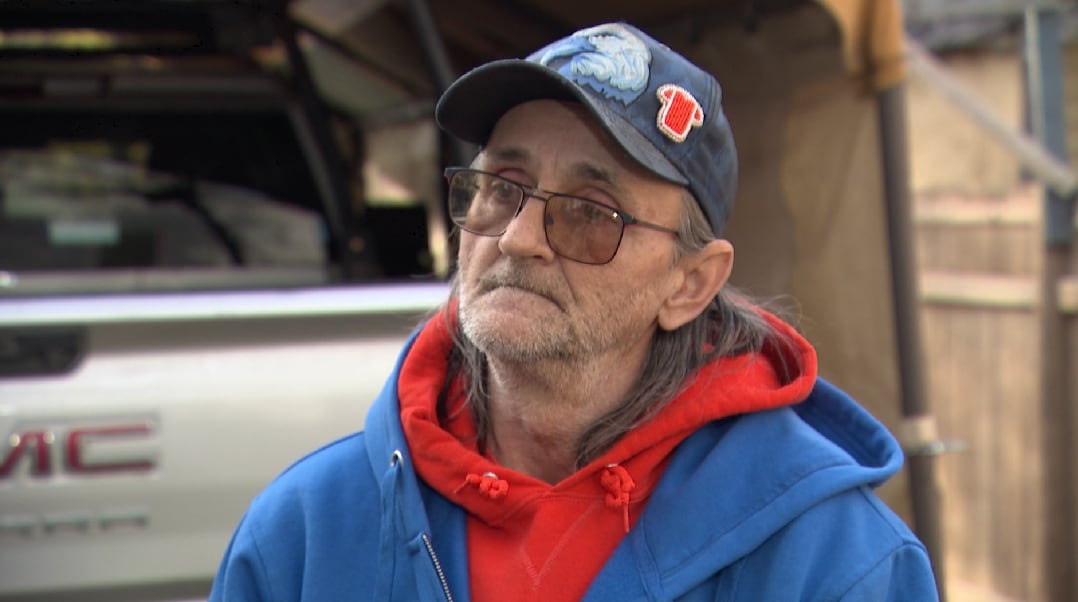
Robert Belley states that a moose would have gone through his vehicle if not for the bars he had fitted on the front. (Chanss Lagaden/CBC)
The Crown insurance agency reports approximately 8,800 wildlife-related accidents occur in the province each year, resulting in an average of 400 injuries and two fatalities over the past five years.
Belley expressed his desire for people to take these risks more seriously.
“This isn’t a joke. It can cause serious, permanent injuries or even death. People need to slow down on these highways,” he urged.
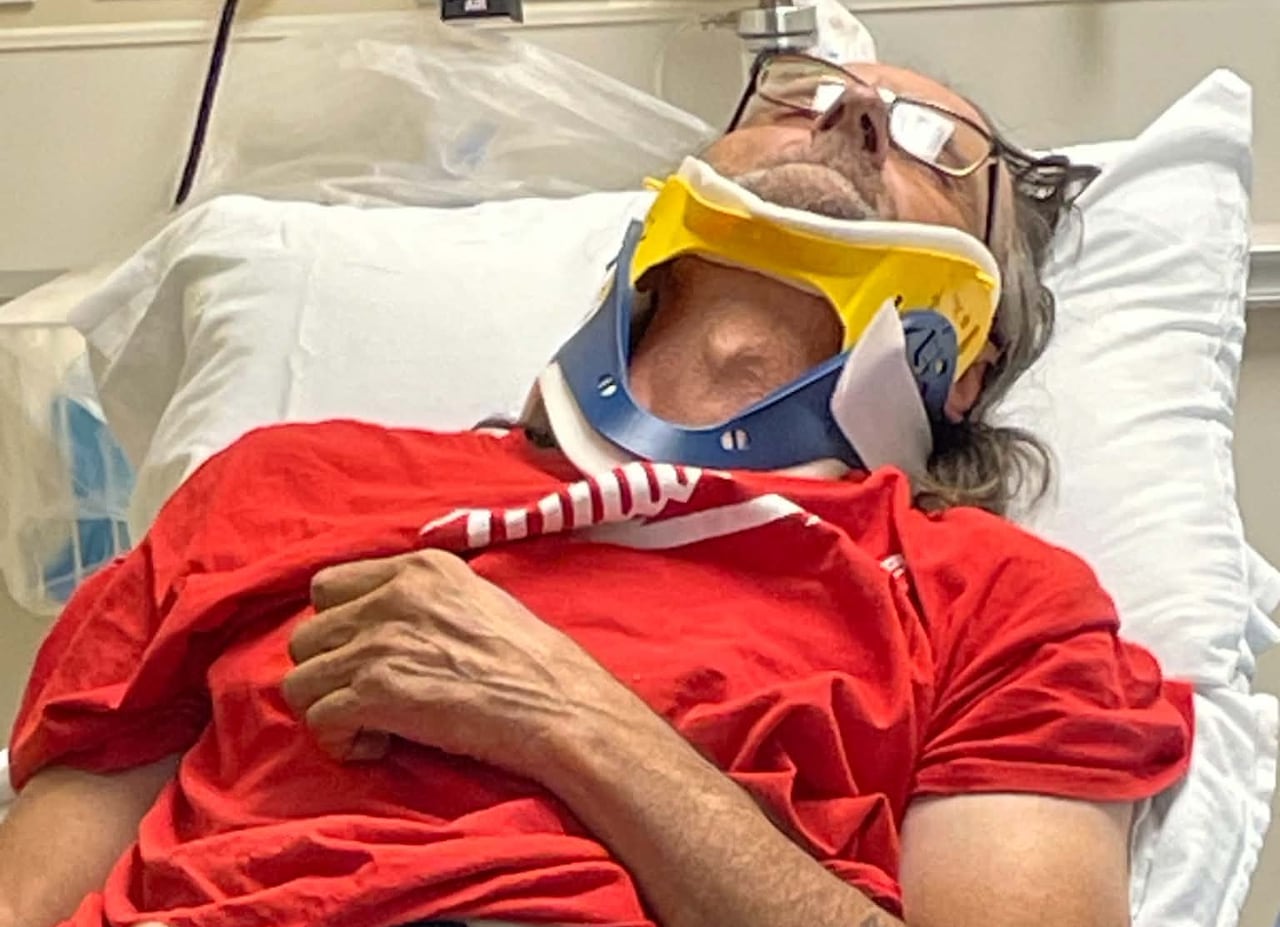
Belley reports experiencing dizziness, neurological injuries, reduced mobility, and psychological distress. (Submitted by Robert Belley)
Troy Corbett, director of traffic safety community engagement at SGI, noted that fall is typically a peak time for wildlife collisions, especially with deer.
“This is the season when they are more likely to be active in traveling, possibly along unfamiliar routes,” Corbett explained.
To prevent accidents, drivers should exercise caution when wildlife activity is heightened, reduce their speed, be watchful for animal crossing signs, and utilize high beams when suitable.
“If a collision is unavoidable, we advise remaining calm, reducing speed, and steering clear of the animal,” Corbett added.
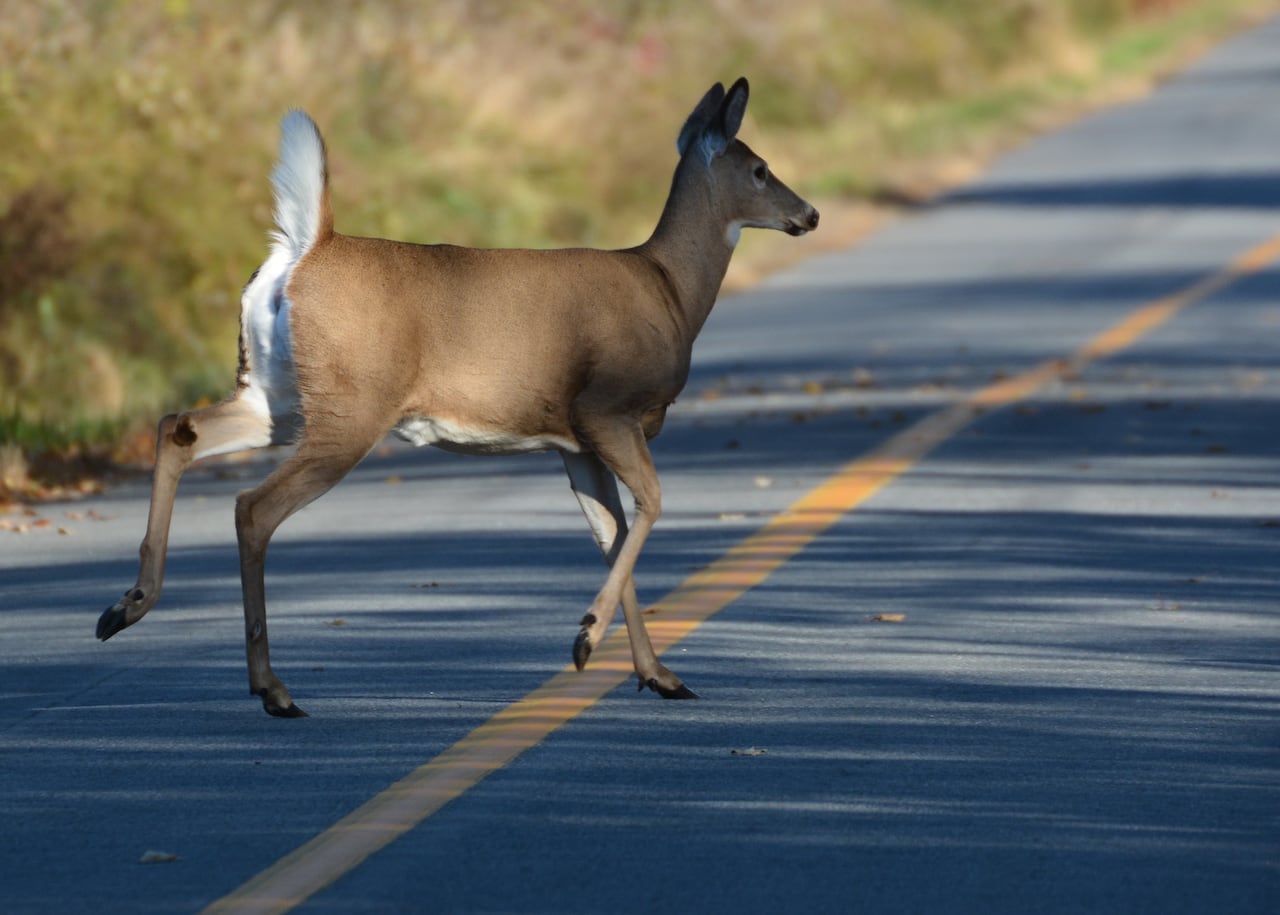
SGI emphasizes that while it’s impossible to completely avoid wildlife collisions, drivers should take necessary precautions. (Saskatchewan Government Insurance)
SGI also suggests steering toward where the animal came from rather than where it is headed, and being particularly cautious during dawn and dusk when glare can affect visibility.
Deer and coyotes are the most frequently hit, rescuer states
Bonnie Dell, executive director of the Wildlife Rescue Society of Saskatchewan, witnesses the effects of these incidents on animals firsthand.
A few years back, she facilitated the rescue of an adult coyote struck by a vehicle outside Regina at night.
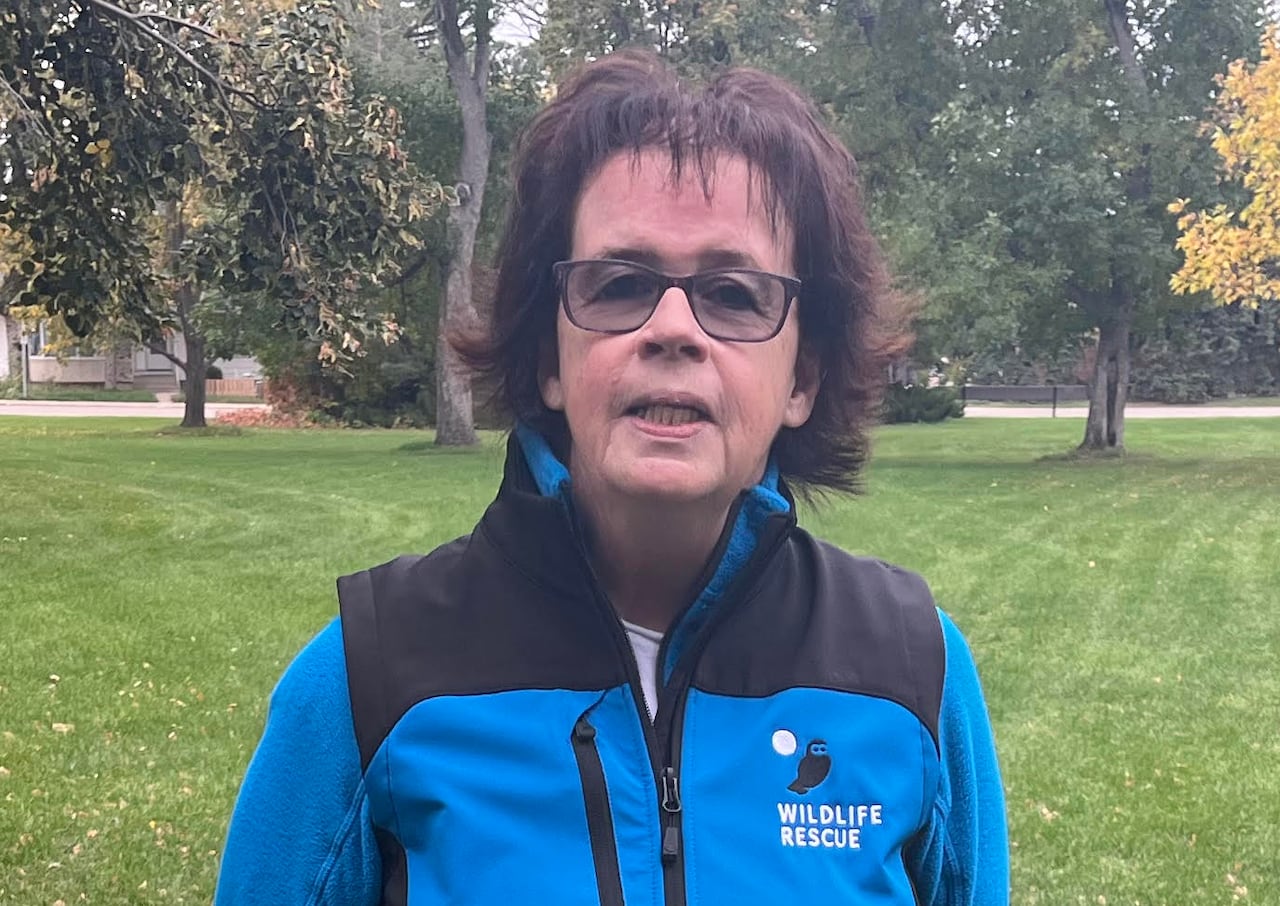
Dell encourages drivers to reach out to her organization if they wish to assist wildlife. (Maeve Ellis/CBC)
“[The driver] was aware she hit something but didn’t realize it was still stuck in her car’s grille when she arrived home. She merely glanced back to see four legs protruding,” Dell recounted.
A volunteer assisted in transporting it to rehabilitation, and it was successfully released six weeks later in full health.
Her organization receives reports of animal collisions at least every other day, primarily involving deer and coyotes, she noted.
“Every animal is important, and it’s a disheartening statistic that greatly affects those who collide with them. We receive calls from individuals who are deeply upset and uncertain about what to do next.”
She advises people to contact the organization if they are uncertain about the next steps to take.

This coyote was trapped in a vehicle until the driver noticed it. (Wildlife Rescue Society of Saskatchewan)
‘Like crashing into a wall’
Bernie Borgmann, owner of Hooker’s Towing and Recovery, has been towing vehicles for four decades. He mentioned that 10 to 20 percent of the situations he encounters involve wildlife.
“It’s akin to hitting a wall. They can move and often bounce off your vehicle significantly,” he remarked.
In his storage facility, he currently has a vehicle that struck a moose and two others that hit deer, all within the past month.
“This year hasn’t been too severe yet, but we’re just at the beginning,” he mentioned.
His experiences dealing with wildlife collisions have included animals going through windshields and instances of hitting multiple animals, he explained.
“It’s traumatic … Some individuals display compassion, as it’s another life at stake … I think it makes them more aware of the dangers present on the roads.”