

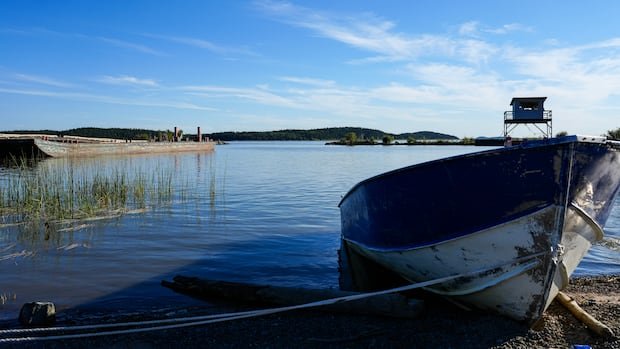

After continuous requests from local residents for more than 20 years, a federally funded investigation is set to commence to assess the health effects of the oilsands on individuals in Fort Chipewyan, an Indigenous community in northern Alberta. Many community members, situated over 200 kilometers north of Fort McMurray, have long suspected a connection between cancers in Fort Chipewyan and the industrial activities upstream along the Athabasca River.
The Kearl mine owned by Imperial Oil, where a 5.3-million-liter wastewater spill occurred in 2023, is approximately 140 kilometers away from Fort Chipewyan. The nearest project, Suncor Energy’s Fort Hills mine, is over 90 kilometers away. Researchers will analyze present and past health records, explore local disease trends, and oversee individuals and the surroundings. They will also investigate how environmental alterations impact the community’s traditions and daily routines.
Ruby Ladouceur, president of the Fort Chipewyan Métis Nation, emphasized that the objective is to seek clarity on the situation without assigning blame prematurely. The study, dubbed Project Monument Hill, will integrate both western scientific methods and Indigenous insights into the land to enhance comprehension of the interconnection between environmental conditions, traditional land usage, and the well-being of the community.
The 10-year, $12-million study, announced by the federal government in August 2024, received initial funding in March for the planning and governance phase. The research will be conducted by independent researchers under the supervision of the Métis Nation, the Athabasca Chipewyan First Nation (ACFN), and the Mikisew Cree First Nation (MCFN), with the federal government serving as an observer.
Dr. John O’Connor, a vocal advocate on cancer concerns in Fort Chipewyan since 2006, expressed satisfaction with the forthcoming study but stressed the need for a more expedited timeline given the urgency of the situation. Past reports on cancer in Fort Chipewyan predominantly focused on medical records and health trends, overlooking individuals who departed for cancer treatments, as noted by Callie Davies-Flett, a special projects adviser with the ACFN.
Notable findings from previous studies have highlighted elevated cancer rates in Fort Chipewyan compared to the rest of Alberta, along with the presence of heavy metals and industrial pollutants in wildlife and vegetation consumed by the community. Criticism was directed towards a report by Dr. James Talbot, then Alberta’s chief medical officer of health, which attributed the cancer instances to factors like lifestyle habits instead of industrial exposure.
The new study aims to delve deeper into the impacts of environmental changes on the health of Indigenous people and their community, moving away from solely considering lifestyle variables. Limited accessible data exists regarding the correlation between cancer in Fort Chipewyan and the modifications to the environment due to oilsands operations, according to Davies-Flett. She stressed the urgency of addressing this issue based on community testimonies and concerns expressed over the years.