

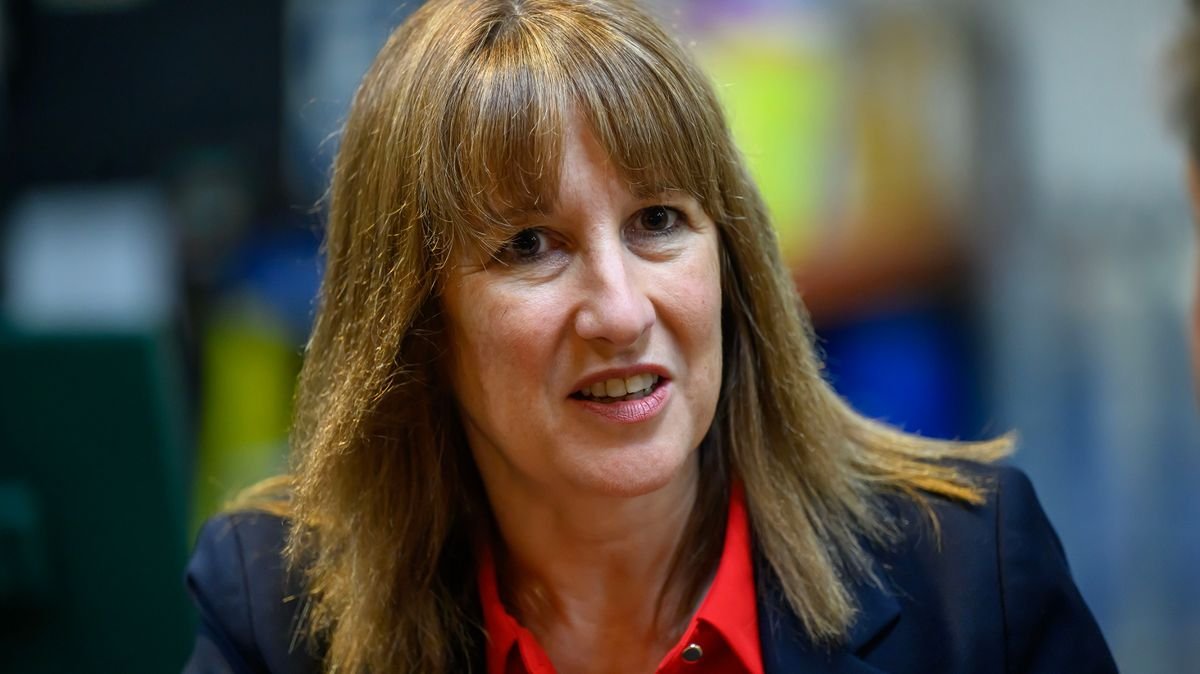

Rachel Reeves has indicated that she is contemplating tax increases and budget cuts as she hints at her upcoming Budget plans. The Chancellor mentioned that they are examining tax and spending measures to address a significant deficit in public finances estimated at around £50 billion.
In preparation for her statement on November 26, Reeves acknowledged the challenges facing the economy, attributing them to various factors such as Brexit, global conflicts, and trade tariffs imposed by Donald Trump. She noted that the budget watchdog had consistently overestimated the UK’s productivity, leading to financial strains.
Recent reports revealed that UK households are expected to experience the highest inflation among the world’s seven major economies in the coming years, according to the International Monetary Fund (IMF). Despite this, the IMF projected that the UK would be the second fastest-growing G7 country this year, following the US.
Reeves, speaking on Sky News, emphasized her commitment to maintaining fiscal responsibility, ensuring that budgetary decisions align with economic realities. She highlighted the importance of addressing challenges posed by geopolitical uncertainties and trade barriers to sustain economic growth.
Regarding concerns about potential tax hikes, Reeves reassured the public of her dedication to avoiding a recurring cycle of tax increases, emphasizing the focus on economic growth to generate sustainable tax revenues and support public services.
Treasury minister James Murray echoed the importance of considering tax and spending measures in the Budget, emphasizing the need for long-term investments in infrastructure and job creation across all regions of the UK. The National Institute of Economic and Social Research (Niesr) estimated that significant funding adjustments would be necessary to achieve fiscal balance in the coming years.
As part of her Budget strategy, Reeves is reportedly considering changes to tax-free ISAs, including potentially reducing the tax-free limit for cash ISAs to encourage investment in British stocks.
Overall, Reeves aims to navigate the economic challenges ahead by balancing fiscal responsibility with strategic investments to drive economic growth and stability.