

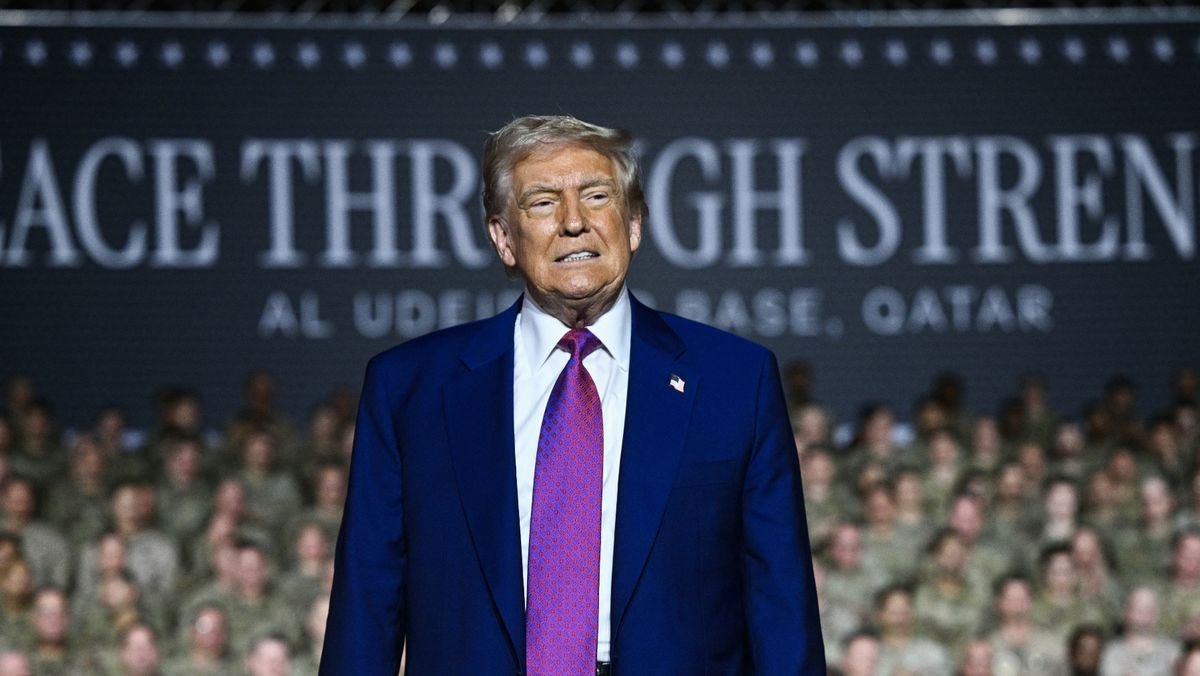

Donald Trump had a specific agenda during his visit to Davos. His primary focus was on Greenland, although he seemed willing to compromise on acquiring only parts of it. Additionally, he proposed the establishment of a global organization to rival the United Nations, with himself as the lifelong chairman, albeit he had to settle for soliciting funds from dictators and authoritarians.
This trip incurred significant costs for Trump, leading to a substantial backlash compared to previous instances in his second term. Notably, even key figures like Keir Starmer have begun standing up against him. European nations, who previously sought to appease Trump for their benefit, notably distanced themselves from his initiatives, resulting in him interacting with countries like Bahrain, Belarus, and Saudi Arabia.
The shift in reactions signifies a turning point, where former allies of the United States no longer feel obligated to show support for Trump. This shift represents the consequences of his ambitious shopping list.
Trump’s unconventional actions during his second-term tenure have raised concerns about the implications of a powerful, amoral leader feeling marginalized by the international community. The unpredictability of the situation has led to apprehensions about future developments and potential consequences.
In a surprising turn of events, Trump made controversial remarks about NATO, downplaying their contributions to military efforts, particularly in Afghanistan. This sparked criticism from various quarters, including Keir Starmer, who condemned Trump’s remarks as disrespectful and inappropriate.
As tensions escalate, Trump’s decision-making and statements are under scrutiny, especially regarding his interactions with world leaders and controversial proposals like the “Board of Peace.” The repercussions of his actions remain a topic of concern among critics and allies alike.
Despite the controversies surrounding Trump’s policies and statements, his administration continues to push forward with initiatives like the TikTok deal and the establishment of the “Board of Peace.” The evolving dynamics of his leadership and international relations raise questions about the future direction of U.S. foreign policy.