


As temperatures drop, indulging in comforting meals becomes a highlight of the season. However, the frequent use of the oven for roasts, pies, and desserts can lead to high energy expenses. Dilly Carter, a professional organizer and TV personality, shares innovative strategies and tips to create a cozy environment in every room of your home during the winter while also managing energy costs effectively.
In particular, Dilly focuses on the kitchen and offers practical advice on saving money while preparing meals. She recommends utilizing air fryers and microwaves as more energy-efficient options compared to gas hobs or ovens. For those without these appliances, batch cooking on the hob is a great way to conserve energy. Dilly emphasizes that reheating a single portion of frozen bolognese consumes less energy than cooking from scratch each time. Additionally, she suggests maximizing oven use by preparing multiple dishes simultaneously, such as baking muffins alongside a Sunday roast.
Dilly also provides energy-saving suggestions for tea lovers. She advises boiling only the necessary amount of water for the number of cups being made to avoid wastage. Regularly descaling the kettle not only enhances its efficiency but also improves the taste of tea.
When it comes to larger household appliances, Dilly recommends waiting until the washing machine and dishwasher are fully loaded before running them. Washing clothes at 30 degrees Celsius is suitable for most items and gentler on fabrics. By taking simple steps like identifying areas where cold air enters the house and optimizing radiator efficiency, homeowners can effectively keep their homes warmer without significant costs.
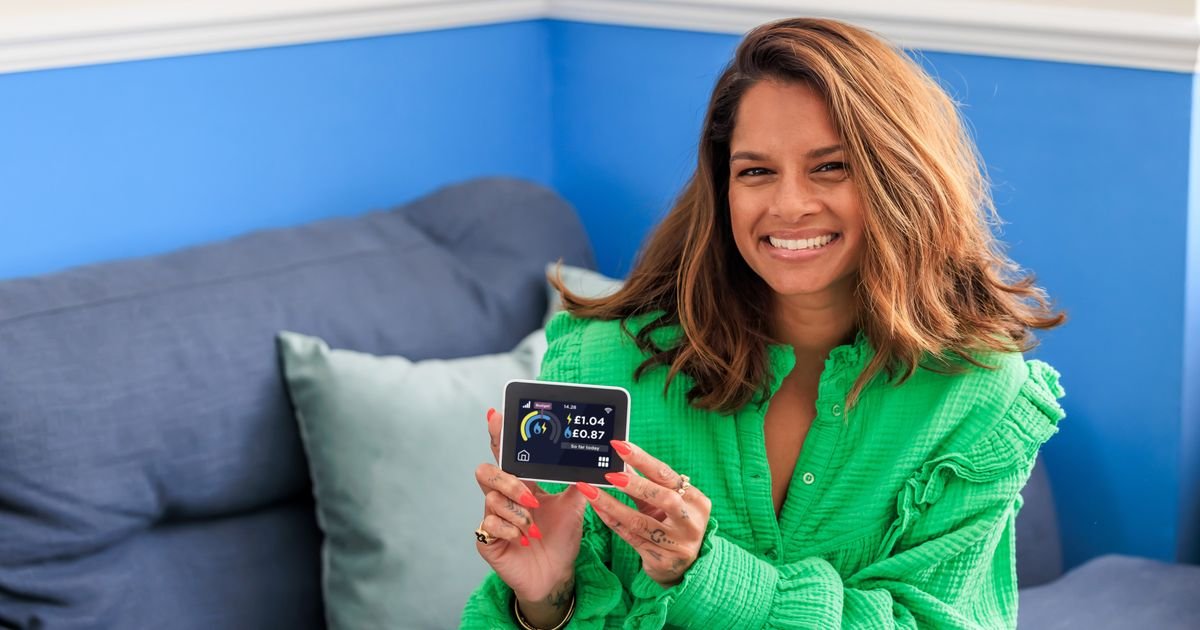
Dilly underscores the importance of utilizing a smart meter as a starting point for energy efficiency. Monitoring energy usage helps identify opportunities to reduce consumption and cut down on costs. Smart meters are typically provided by energy suppliers at no additional charge.
Dilly emphasizes that achieving energy efficiency does not necessarily require investing in expensive technology. By focusing on fundamental practices, individuals can make a substantial impact on reducing energy consumption and expenses. Walk around your home, identify areas for improvement, and implement a plan to enhance energy efficiency without breaking the bank.