


A recent report by the charity End Sexism in Schools reveals a significant lack of female representation in English history classes. An analysis of history lessons at Key Stage 3 showed that 59% did not include any mention of women. Notable figures such as Anne Boleyn and suffragettes like Emmeline Pankhurst and Emily Davison were among the few women referenced.
Rather than highlighting heroines like the codebreakers of Bletchley Park, the curriculum tended to focus on victims like those associated with Jack the Ripper. To address this imbalance, various influential women have been suggested for inclusion in modern history lessons.
Labour MP Sonia Kumar nominated Sophia Duleep Singh, emphasizing her remarkable role in the women’s suffrage movement. Sophia, the daughter of Maharaja Duleep Singh and goddaughter of Queen Victoria, actively participated in advocating for women’s right to vote despite her privileged background.
Another nominee, Mirror columnist Darren Lewis, put forward Lilian Bader, a pioneering black woman who broke barriers by joining the British Army in the early 20th century. Bader’s journey from a canteen assistant to a Corporal highlighted her determination and resilience in the face of societal challenges.
Historian Katie Kennedy recommended Grace Darling, a lighthouse keeper’s daughter known for her heroic act of rescuing shipwreck survivors in 1838. Kennedy emphasized Darling’s bravery and selflessness, underscoring her significance as a symbol of ordinary people achieving extraordinary feats.
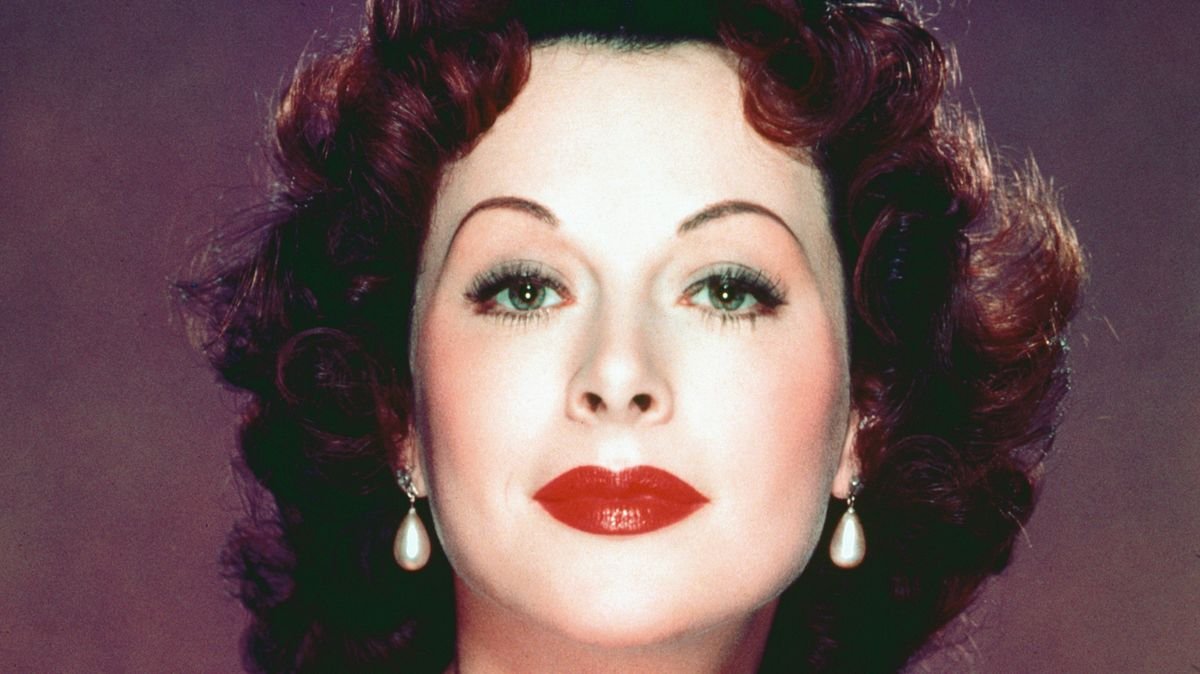
Furthermore, contributions from individuals like Constance Markievicz, Mary Seacole, Ellen Wilkinson, Rachel Carson, Hedy Lamarr, and Queen Marie were also highlighted as deserving recognition for their remarkable achievements and impact on history. These women represent a diverse range of backgrounds and accomplishments, showcasing the importance of female figures in shaping our collective narrative.
By incorporating these unsung heroines into history lessons, students can gain a more comprehensive understanding of the significant roles women have played throughout history, promoting gender equality and diversity in education.