

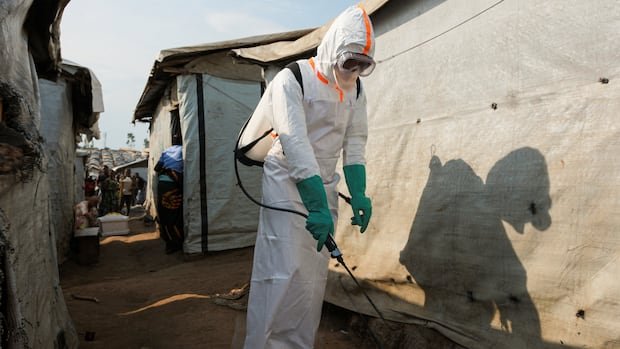

The Ebola outbreak in the Democratic Republic of Congo has reached a grim milestone this week, becoming the deadliest in the country’s history. The number of confirmed cases continues to soar, causing global concern.
As of August 16, the country’s public health ministry reported at least 2,378 deaths in the D.R.C., making it the second-largest Ebola outbreak ever recorded. The Director-General of the World Health Organization (WHO), Tedros Adhanom Ghebreyesus, described the outbreak as unprecedented in speed and complexity.
Ebola is a severe disease caused by orthoebolaviruses, with different strains affecting humans, including Zaire, Sudan, Taï Forest, and Bundibugyo. The current outbreak in the D.R.C. involves the Bundibugyo strain, marking the 17th outbreak in the country’s history.
The outbreak was officially declared in May and primarily affects the eastern D.R.C., near the borders with South Sudan and Uganda. The first suspected case was a health worker who fell ill in April and later died in Bunia, Ituri province.
The rapid spread of Ebola in the current outbreak is causing alarm. With over 5,000 cases reported in the D.R.C. as of August 16, the outbreak shows a significantly higher rate compared to previous incidents. The situation is exacerbated by a high case fatality rate and challenges in response efforts due to armed conflict, displacement, and distrust among the population.
Efforts are underway to contain the outbreak, emphasizing testing, contact tracing, safe burials, and isolation treatment. The WHO is intensifying its response by deploying additional personnel and resources to support local communities. International support, including financial aid, is crucial in controlling the spread of Ebola and preventing a wider crisis.
The urgency of the situation calls for swift and coordinated action to bring the outbreak under control and prevent further devastation.