

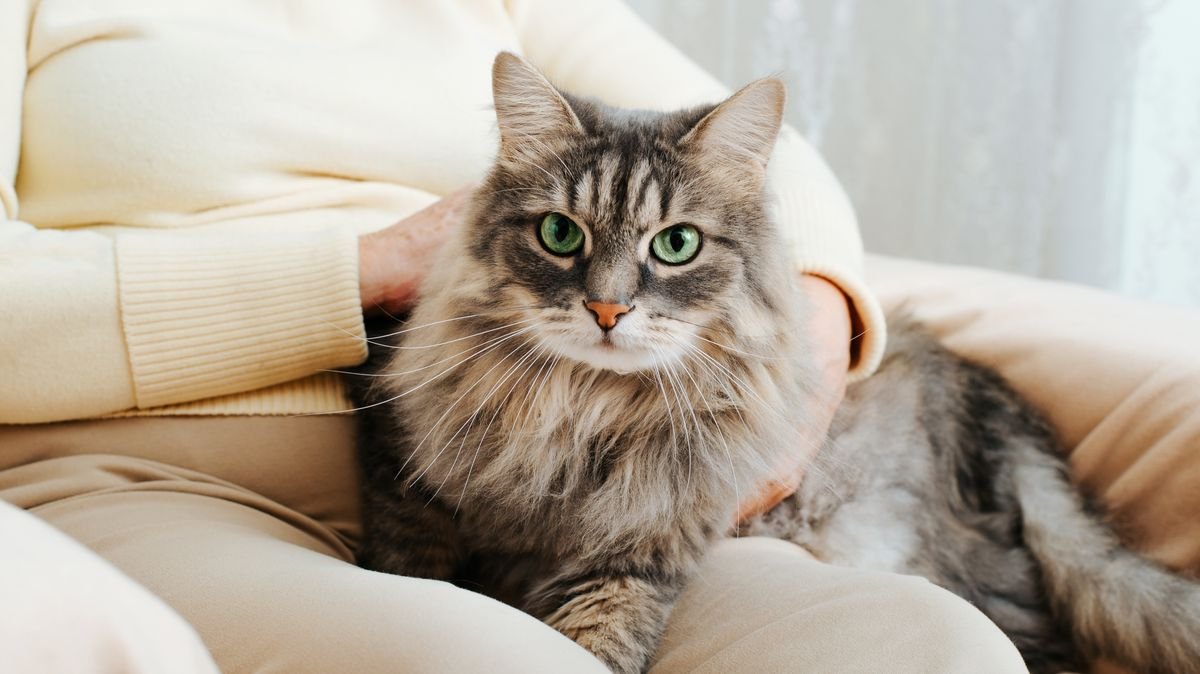

Cats rank as the second most favored pets in the UK, following dogs, appreciated for their self-sufficiency and easy upkeep. Data from UK Pet Food indicates that in 2024, there were approximately 12.5 million pet cats in the UK, with about 29% of households owning a cat.
While there are various cat types, mixed-breed cats, known as moggies, are the most prevalent in the UK. Notable pedigree breeds include the British Shorthair, Ragdolls, and Bengals. Pedigree cats belong to recognized breeds with documented lineage, while moggies result from natural evolution over generations, boasting a diverse genetic heritage.
Ben Simpson-Vernon, a UK-based small animal veterinarian, expressed concerns about a troubling trend in how people are acquiring new pet cats. He highlighted a shift where more pedigree cats are being purchased in comparison to moggies typically adopted, marking a significant change in cat acquisition trends.
In a video shared on Instagram, Simpson-Vernon stressed the potential negative impacts of this trend. He warned that the rise in acquiring pedigree cats could lead to overcrowded rescue centers, as moggies are often the product of unplanned pregnancies from unneutered cats or strays.
Moreover, he cautioned against the selective breeding of cats, citing potential genetic disorders that could arise from limited gene pools. Simpson-Vernon raised concerns about the health risks associated with certain pedigree cat breeds, such as Scottish fold cats with folded ears prone to arthritis and brachycephalic breeds with respiratory and eye issues.
Encouraging adoption over purchasing, Simpson-Vernon emphasized that moggies can be equally wonderful companions as pedigree cats. He urged prospective cat owners to consider adopting from rescue centers.
In his Instagram post caption, the animal specialist lamented the commercialization of cats, attributing the trend to social media and consumerism. He warned of the unregulated nature of the cat breeding industry, cautioning against individuals driven solely by profit without considering cat welfare.
Before making a decision on a specific cat breed, conducting thorough independent research is advised to ensure responsible ownership and welfare considerations.