

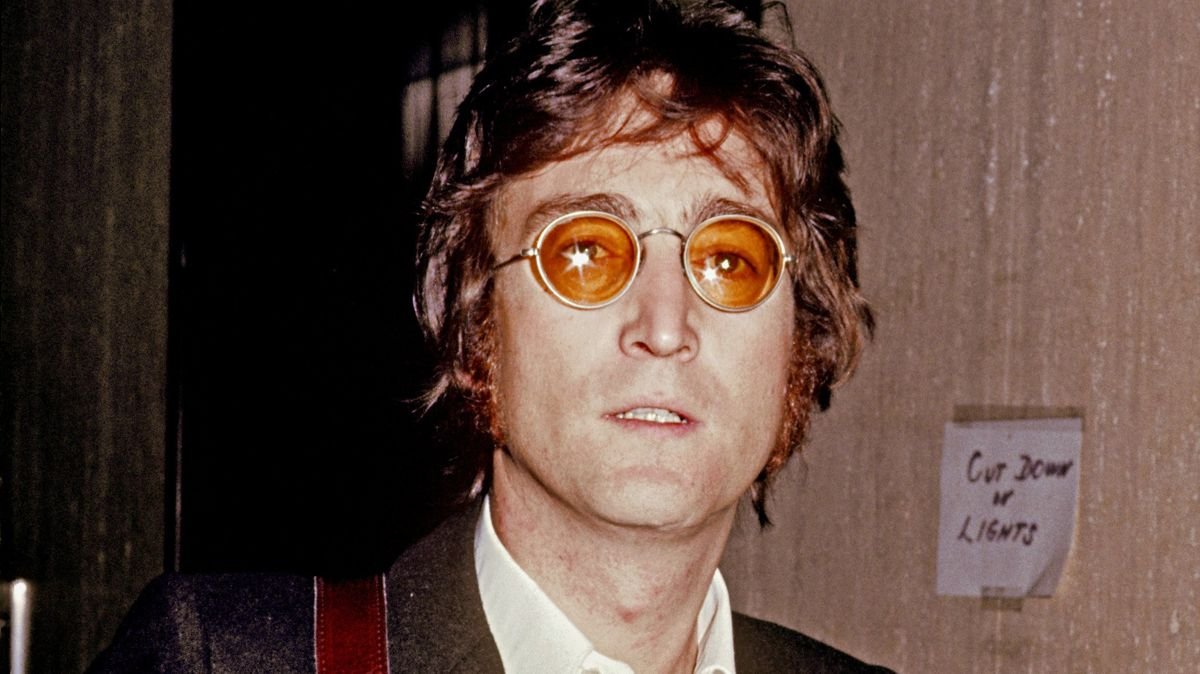

Recently uncovered tapes from a lost 1975 interview reveal that the late music icon, John Lennon, expressed feelings of paranoia, believing he was under surveillance by the CIA. The interview, discovered by the wife of Boom Radio DJ Nicky Horne in a box of old reel-to-reel tapes, sheds light on Lennon’s concerns about being bugged and followed by the US government.
Lennon, known for his time with The Beatles, disclosed in the interview that he suspected he was on the CIA’s watch list following the release of his protest song “Gimme Some Truth” in 1971, which criticized President Richard Nixon’s actions during the Vietnam War. Prior to that, his song “Give Peace a Chance” from 1969 had already put him at odds with authorities in Washington, D.C.
During the interview, conducted by journalist Nicky Horne when Lennon was 34 years old, the musician recounted instances of feeling under surveillance, stating, “I was paranoid at the time. Who wouldn’t be?” Lennon described encounters with individuals following him openly, even outside his residence, and mentioned suspicions of his phone being tapped, although he couldn’t provide concrete evidence at the time.
In addition to his own experiences, Lennon mentioned the challenges faced by fellow musicians like Mick Jagger, Paul McCartney, and George Harrison in traveling to and from the United States due to various restrictions and surveillance measures. He highlighted the lengths to which Jagger had to go to ensure his bandmates could enter the country for tours, indicating the pervasive atmosphere of distrust and scrutiny among prominent figures in the music industry.
According to reports, Lennon’s activism and association with anti-war activists in the early 1970s led to increased surveillance by the FBI and attempts to deport him. In response, Lennon penned a protest song for activist John Sinclair, who faced legal troubles, and actively engaged in legal battles against the Nixon administration over wiretapping and surveillance practices.
Despite facing challenges and legal threats, Lennon’s efforts eventually paid off when Nixon resigned in 1974, leading to Lennon’s successful acquisition of a green card and a sense of liberation from the constant scrutiny and harassment he had endured for years.
For convenient access to valued news content, consider selecting The Mirror US as a ‘Preferred Source’ on Google News.
At Reach and across our entities we and our partners use information collected through cookies and other identifiers from your device to improve experience on our site, analyse how it is used and to show personalised advertising. You can opt out of the sale or sharing of your data, at any time clicking the “Do Not Sell or Share my Data” button at the bottom of the webpage. Please note that your preferences are browser specific. Use of our website and any of our services represents your acceptance of the use of cookies and consent to the practices described in our Privacy Notice and Terms and Conditions.