

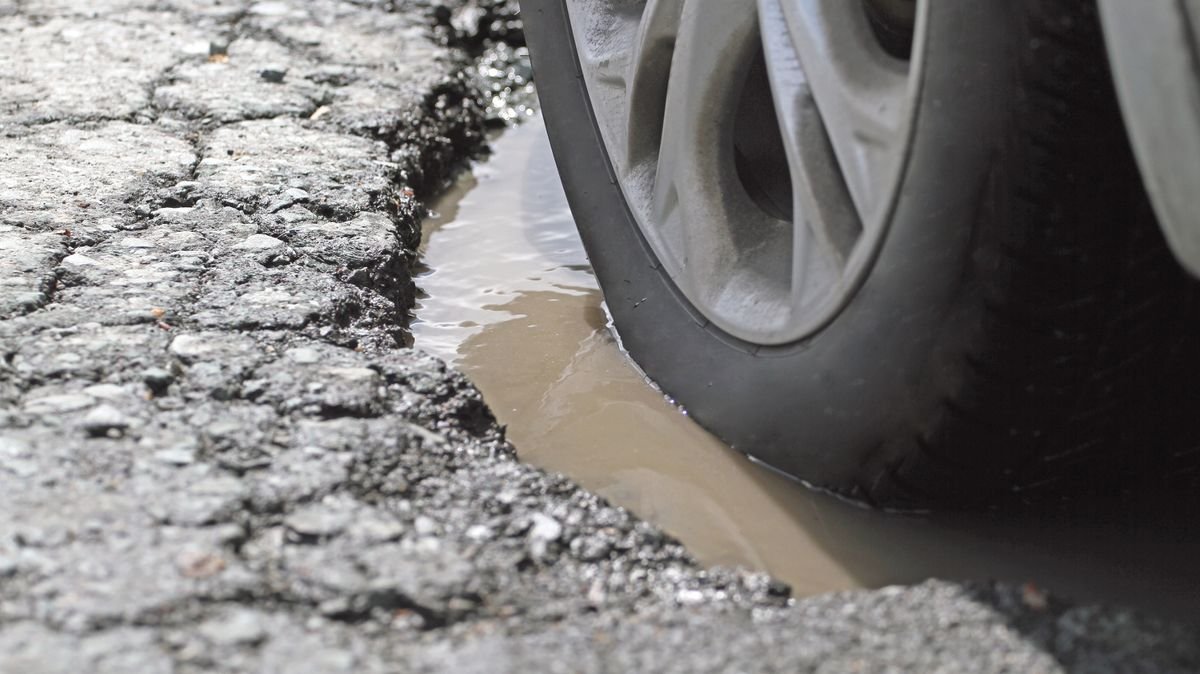

Potholes remain a major concern for drivers, with most having encountered them on the road. These road hazards have become a significant issue in the eyes of the public and even a political matter, as governments shift responsibility to local councils. Potholes, along with litter and waste collection, are top concerns for voters.
The government recently allocated £7.3 billion for road maintenance, but it falls short of the estimated £17 billion needed to address the nation’s pothole problem. To track how efficiently councils are addressing this issue, a map has been made available for public access.
While some drivers may feel discouraged about filing pothole claims due to perceived difficulties, a guide outlines steps for pursuing claims successfully. Insurance claims are also an option, but policies vary in coverage and may require prior engagement with the council.
Understanding what constitutes a pothole can be tricky, as definitions vary among Local Highway Authorities. The depth, length, width, and risk level of a pothole determine its severity and the potential for damage. Seeking legal advice may be necessary for personal injury claims resulting from pothole accidents.
In the event of damage caused by a pothole, documenting the incident, including photos and notes, is crucial for making a claim. Repairing the vehicle, gathering evidence, and reporting the pothole to the responsible authority are essential steps in the process. If a claim is rejected, appealing the decision and potentially pursuing legal action through the Small Claims Court may be necessary.
Taking a proactive approach to addressing pothole-related issues can lead to successful outcomes for drivers seeking compensation for damages incurred on the road.