

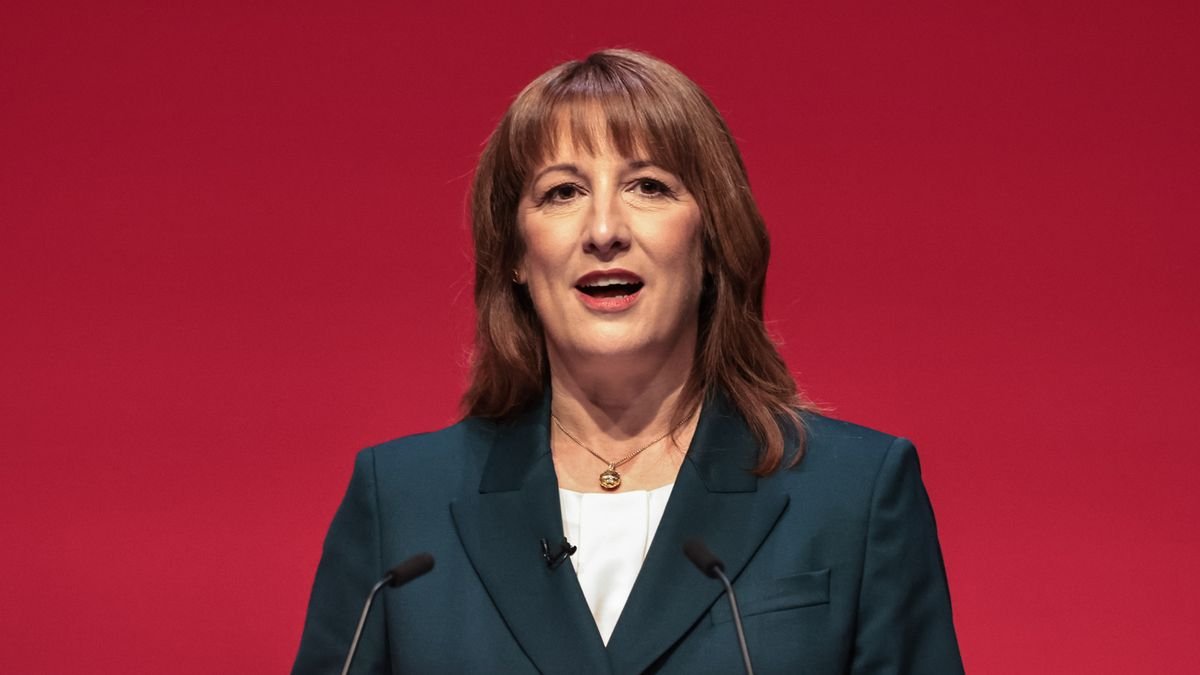

Rachel Reeves is planning to introduce a £2 billion tax increase targeting the wealthiest individuals in the country to generate additional revenue for public spending. The move is aimed at addressing a financial gap of £30 billion left by the previous government.
The proposed tax measure will focus on individuals utilizing limited liability partnerships, commonly used by professionals such as lawyers, doctors, and accountants. These partnerships currently provide tax advantages to over 190,000 individuals by exempting them from employers’ national insurance contributions through self-employment treatment.
According to The Times, Rachel Reeves argues that the existing tax arrangement is inequitable and will unveil the proposed change during the Budget announcement. The Centre for the Analysis of Taxation (CenTax) revealed that solicitors receive a significant portion of partnership income, averaging around £316,000 annually, while GPs and accountants earn averages of £118,000 and £246,000, respectively.
This tax adjustment is part of a broader strategy in the Budget to target affluent individuals. The Chancellor emphasizes the principle that those with greater financial resources should contribute their fair share of taxes.
In addition to the tax increase on limited liability partnerships, Reeves is expected to introduce a “mansion tax” imposing capital gains tax on the sale of high-value properties. She mentioned that the economic impact of Brexit and austerity has been more significant than anticipated, necessitating these tax adjustments to address the fiscal challenges.
The Office for Budget Responsibility (OBR) is projected to revise down Britain’s growth forecasts next month, raising concerns that the Chancellor may have to deviate from her pledge not to raise income tax, VAT, or national insurance to balance the budget.
Rachel Reeves highlighted the need to rebuild relationships with the EU to mitigate the economic repercussions of recent events. Economists, such as Stuart Adam from the Institute for Fiscal Studies, expressed concerns about the potential impact of the tax changes, noting that they may influence individuals’ decisions regarding work and residence.