

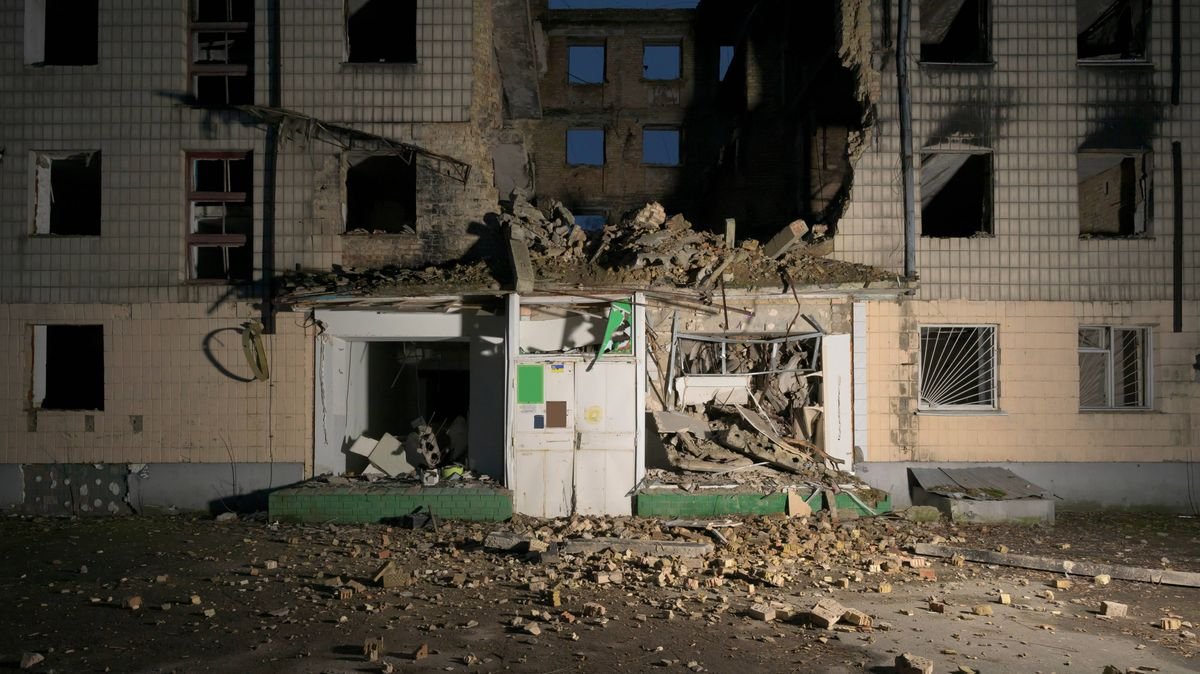

Vladimir Putin’s aggressive actions in Ukraine have raised concerns among experts about the potential for a new global health crisis. Infectious disease specialist Amesh Adalja has warned that the conditions of warfare can facilitate the rapid spread of illnesses, particularly among frontline troops. Adalja expressed apprehension that a new pandemic may already be emerging unnoticed, with the initial transmission of a new virus to humans possibly occurring at this moment.
The expert highlighted the challenges in diagnosing infectious diseases and emphasized that the first cases of a novel pathogen could go undetected, similar to the initial stages of the COVID-19 pandemic. Adalja cautioned that the conflict in Ukraine could serve as a breeding ground for contagious diseases, including the deadly hantavirus transmitted by rodents, which can lead to severe symptoms like bleeding from the eyes and kidney failure.
Speaking on a health podcast, Adalja pointed out disruptions in healthcare infrastructure due to the conflict, citing instances of HIV and tuberculosis control lapses and reported cases of Russian soldiers contracting hantavirus. He explained that when healthcare systems are compromised, diseases like tuberculosis can worsen, become more contagious, and spread rapidly.
Adalja also drew attention to ongoing health challenges in regions affected by conflicts, such as Ebola outbreaks in the Democratic Republic of the Congo and the humanitarian crisis in South Sudan. He stressed the correlation between humanitarian crises and the prevalence of infectious diseases, noting that disruptions in infrastructure and sanitation can facilitate the spread of illnesses.
Researchers have identified a potential “Disease X” as the mystery pathogen that could trigger the next pandemic, with concerns about emerging viruses capable of causing global health emergencies. Adalja likened pathogens to “barbarians at the gate,” highlighting the role of technology and science in containing infectious diseases and expressing concerns about the breakdown of these defenses during conflicts.
Referencing the devastating impact of the Spanish flu during World War I, which claimed millions of lives, Adalja warned that nations are ill-prepared to handle a pandemic on such a scale. He emphasized the need for better preparedness, citing the challenges faced during the COVID-19 pandemic and the potential for a future outbreak with higher mortality rates.
In conclusion, Adalja underscored the importance of global readiness to address the threats posed by emerging pathogens and the critical role of healthcare systems in preventing and controlling infectious diseases.