


As dusk settled over northern France last week during a solar eclipse, a group of individuals gathered at a bus stop beside a highway, many of them equipped with bright orange life jackets. Among them were women and toddlers who had been camping in nearby woods for months, awaiting a favorable opportunity to board a boat and cross the English Channel. Despite facing challenges, including police interventions and tear gas incidents, these migrants highlighted the difficulties in navigating the 40-kilometer coastal region between Dunkirk and Calais, which has long served as a transit point for migrants in Europe.
While the overall number of Channel crossings has decreased, recent trends show an increase in the volume of migrants on boats taking longer and riskier routes. These developments coincide with heightened discussions on European migration, particularly after a surge of migrants rushed the Spain-Morocco border in Ceuta. Political figures in the UK, such as Nigel Farage, have called for naval actions to deter migrants crossing the Channel, although feasibility concerns have been raised by former Navy officials.
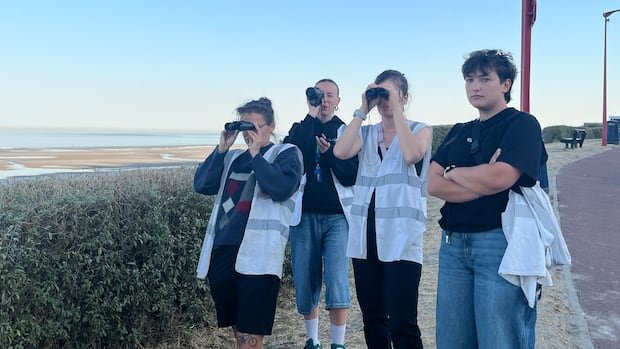
Efforts to curb crossings have led to a fortified border environment in Calais, with increased policing disrupting migrant departures and dismantling makeshift settlements. Despite these measures, migrants, aid workers, and volunteer groups remain active along the coast, providing support and assistance to those attempting perilous journeys. The reliance on citizen-led initiatives underscores the gaps in official rescue operations and humanitarian responses, prompting a need for better-coordinated solutions at the international level.
The risks faced by migrants have escalated as smugglers adopt new tactics, including the use of larger vessels and evasive maneuvers to avoid detection. Recent incidents, such as a record number of people arriving in the UK on a “mega-dinghy,” highlight the evolving challenges in channel crossings and the pressing need for comprehensive strategies to address the complex migration dynamics in the region.
Individual stories, like that of Mohammed, a migrant from Gaza seeking safety in the UK, shed light on the personal struggles and aspirations driving these journeys. Amid divisive debates on immigration and border controls, grassroots organizations like Utopia 56 continue to provide critical support to migrants, emphasizing the human cost of migration policies and the imperative for compassion and understanding in addressing the underlying causes of displacement.
Local officials, including Mayor Stéphane Pinto of Ambleteuse, acknowledge the humanitarian concerns posed by dangerous crossings while advocating for preventive measures to save lives. Reflecting on past tragedies and the ongoing challenges, there is a growing recognition of the need for coordinated international efforts to address the root causes of migration and ensure a more humane and sustainable approach to managing migration flows in the region.