

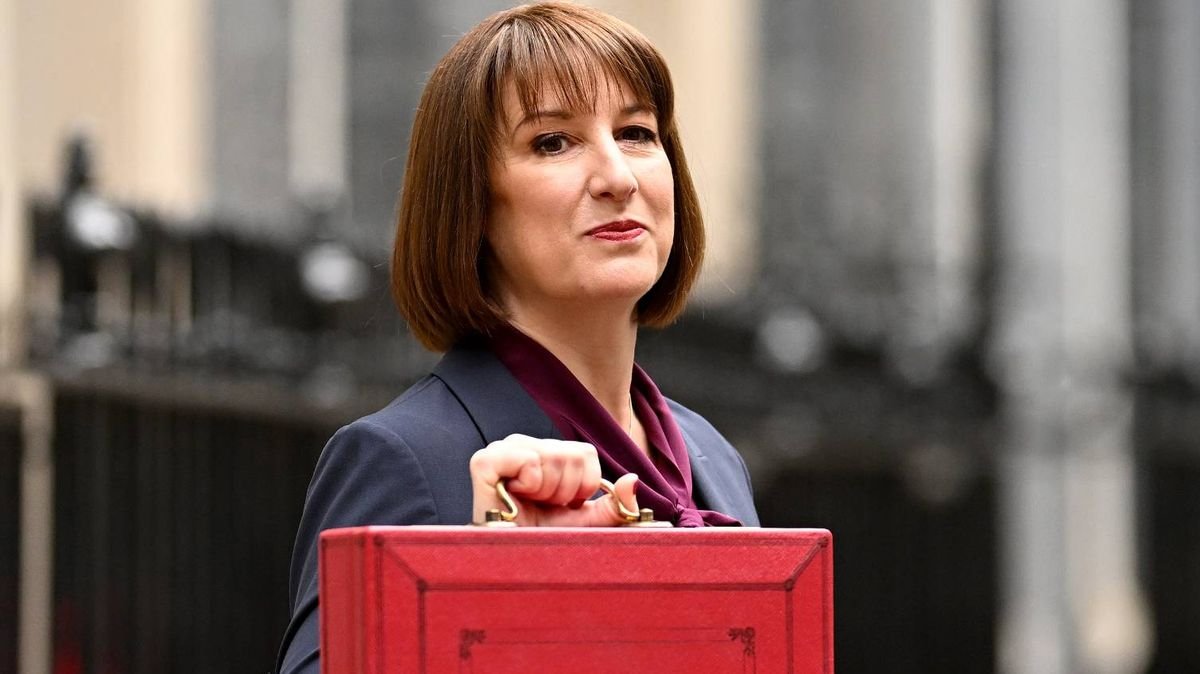

Chancellor Rachel Reeves has the potential to generate substantial revenue through tax reforms while staying true to Labour’s manifesto promises, according to prominent economists. The focus shifts to the upcoming Budget as Parliament resumes from the conference recess, highlighting the challenge of addressing a £20 billion to £30 billion deficit in public finances within the spending constraints.
The Institute for Fiscal Studies (IFS) suggests that although it would be a tough task, it is feasible for Reeves to raise significant funds without resorting to increasing VAT, income tax, or employees’ national insurance contributions, as pledged during the election. However, the IFS cautions that alternative tax-raising measures could have adverse effects on economic growth and welfare.
Among the proposals put forward by the IFS is the elimination of capital gains tax relief on death, potentially yielding £2.3 billion in 2029-30. Additionally, doubling the council tax rate for the top two property bands could raise £4.2 billion, with the option to offset this by reducing grants to local councils.
Extending the freeze on personal tax thresholds, including national insurance, could generate approximately £10.4 billion annually by 2029-30, but this may conflict with Labour’s commitment not to increase taxes for the working population. The IFS also advises against limiting income tax relief on pension contributions and warns against implementing an annual wealth tax, a proposal advocated by some left-wing MPs.
Isaac Delestre, a senior research economist at the IFS, emphasizes the importance of broader tax system reforms to prevent adverse economic impacts. He urges the Chancellor to embrace meaningful changes in the Budget to create a fairer and more efficient tax system that fosters prosperity and well-being for taxpayers.