


Irony met its demise this week in a brutal manner. The BBC faced a barrage of criticism regarding its integrity and honesty from individuals who lack credibility themselves.
Boris Johnson spearheaded the attack on the BBC, labeling a poorly edited clip of Donald Trump’s speech in 2021 as a “scandalous fabrication.” This critique came from a known dishonest figure whose disregard for the truth has had significant repercussions for Britain.
Nigel Farage criticized the BBC for its alleged left-wing bias during the Brexit referendum, despite the network’s efforts to provide balanced coverage. The BBC has also been accused of giving excessive airtime to certain political groups, raising concerns about impartiality.
Kelvin MacKenzie, a former editor of The Sun, questioned the integrity of BBC journalism despite his own history of perpetuating falsehoods, such as the Hillsborough tragedy misinformation.
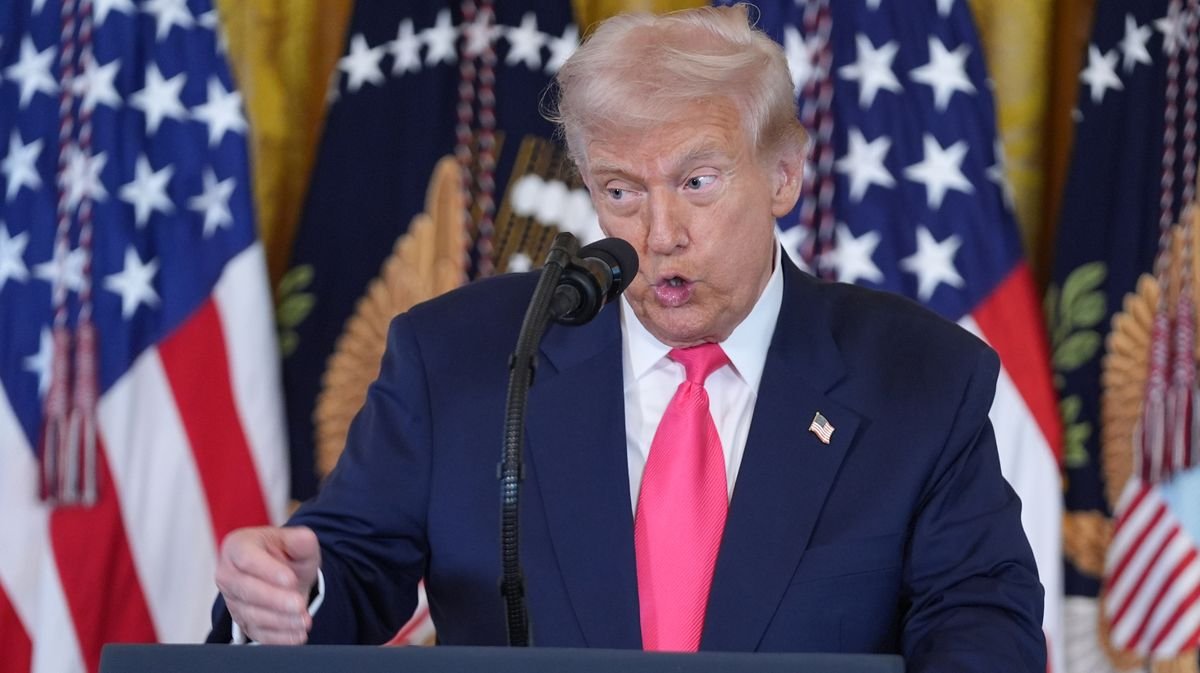
Donald Trump, notorious for spreading falsehoods, threatened legal action against the BBC for misrepresenting his claims about the US election, despite his numerous convictions for lying. The attacks on the BBC from right-wing figures have raised suspicions of political agendas influencing the network.
While the BBC is not infallible, it must address shortcomings promptly to safeguard its reputation for impartiality. In an era where misinformation thrives on various platforms, the BBC’s role as a trusted news source is invaluable.
Apologies are warranted when mistakes occur, as seen in the BBC’s response to Trump’s complaints. However, baseless accusations of bias and decline should not undermine the BBC’s essential contributions to the media landscape.
The potential threat of political shifts impacting the BBC’s future highlights the importance of preserving this esteemed institution. The loss of the BBC would not only affect the UK but also diminish a globally recognized source of quality programming and journalism.