

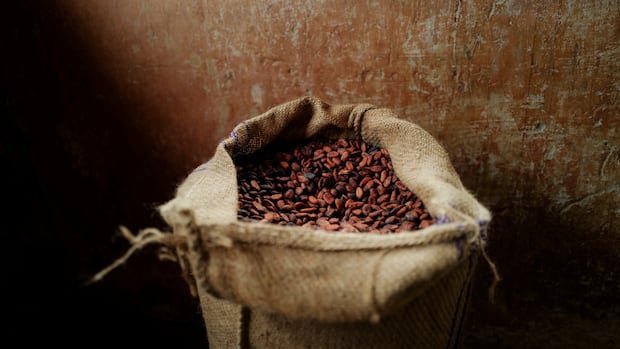

A recent peer-reviewed study highlights heavy rainfall as a significant threat to cocoa production, contrary to the conventional focus on heat and drought risks. Cocoa prices have surged in recent years, with a tonne now priced at around $6,000 US, compared to $2,000 to $3,000 US per tonne since 2014, peaking at over $12,000 US in 2024 due to various factors, including heavy flooding in West Africa.
Leslie Agyare, founder of Three Mountains Cocoa in Ghana, emphasized the challenges posed by excessive rainfall on cocoa farming. The study, concentrating on Ghana as the world’s second-largest cocoa producer, revealed that extreme rainfall during flowering significantly impacts yields more than temperature variations.
The study also underlined the link between heavy rain and lower cocoa yields due to flower and pod damage and increased fungal infections like black pod disease. The research indicated a climate change signal, showing intensified rainfall during wet seasons over the past few decades.
While El Niño often reduces extreme rainfall risks in West Africa, it raises the likelihood of drought, exacerbating the challenges faced by cocoa farmers. The study also mentioned non-climactic risks such as aging trees and illegal activities like gold mining that threaten cocoa production.
Experts suggest interventions like fungicide use and improved drainage systems to counter the effects of extreme rainfall on cocoa crops. Agyare stressed the need for substantial infrastructure investments to address the issues faced by cocoa farmers, such as lack of reservoirs and overburdening of post-harvest tasks.
Climate shocks are making cocoa farming less appealing in West Africa, raising concerns about the future of smallholder farmers. The rising price volatility and difficulty in adapting to climate changes may lead to a shift away from cocoa in chocolate production. Major companies like Nestlé are exploring cocoa-free chocolate alternatives, such as ChoViva, made from sunflower seeds, which offer a more resilient supply chain.
Despite the soaring chocolate prices, experts warn that smallholder farmers in West Africa have historically borne the brunt of underpriced chocolate, emphasizing the need for sustainable solutions to support cocoa farmers.