

Desiree Kendrick, residing in Edmonton, shares her insights in this First Person column. To explore more of CBC’s First Person narratives, refer to the FAQ section.
In the final days of 1999, I diligently stored canned foods and powdered milk, while a substantial water tank sat in my garage. My home was fortified as a secure shelter in case of any calamity, with contingency plans at my workplace ready to go.
I am part of the generation that earnestly prepared for the anticipated Y2K disaster, fearing a global computer shutdown at the turn of the millennium. Fortunately, businesses and individuals alike survived the Y2K scare.
Fast forward less than 25 years, and my own cognitive abilities are being put to the test, not by a technological threat, but by the challenge of deciphering the modern language filled with abbreviations and acronyms.
Today, my mind is a maze of contemporary acronyms, initialisms, and other shortened forms, resembling the tangled cords behind my television set. The English lexicon has evolved into a complex array of letters, making me feel like I’m no longer fluent in my native tongue.
My thirst for knowledge knows no bounds, but staying current with pop culture proves to be a daunting task.
Unending Quest for Knowledge
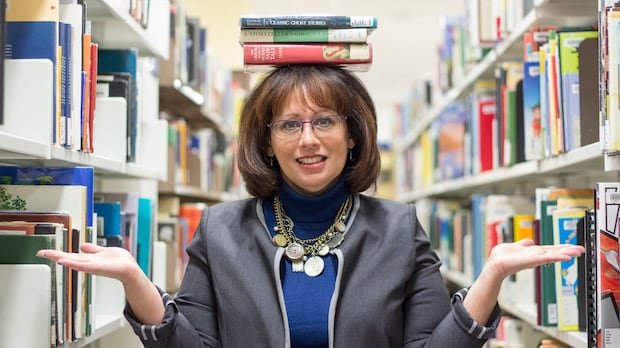
My passion for learning traces back to my upbringing in India, where my parents, both educators, instilled in me the value of continuous learning. Surrounded by bookshelves in our rural Alberta home, I became their first Canadian-born student.
Yet, exposure does not always equate to understanding.
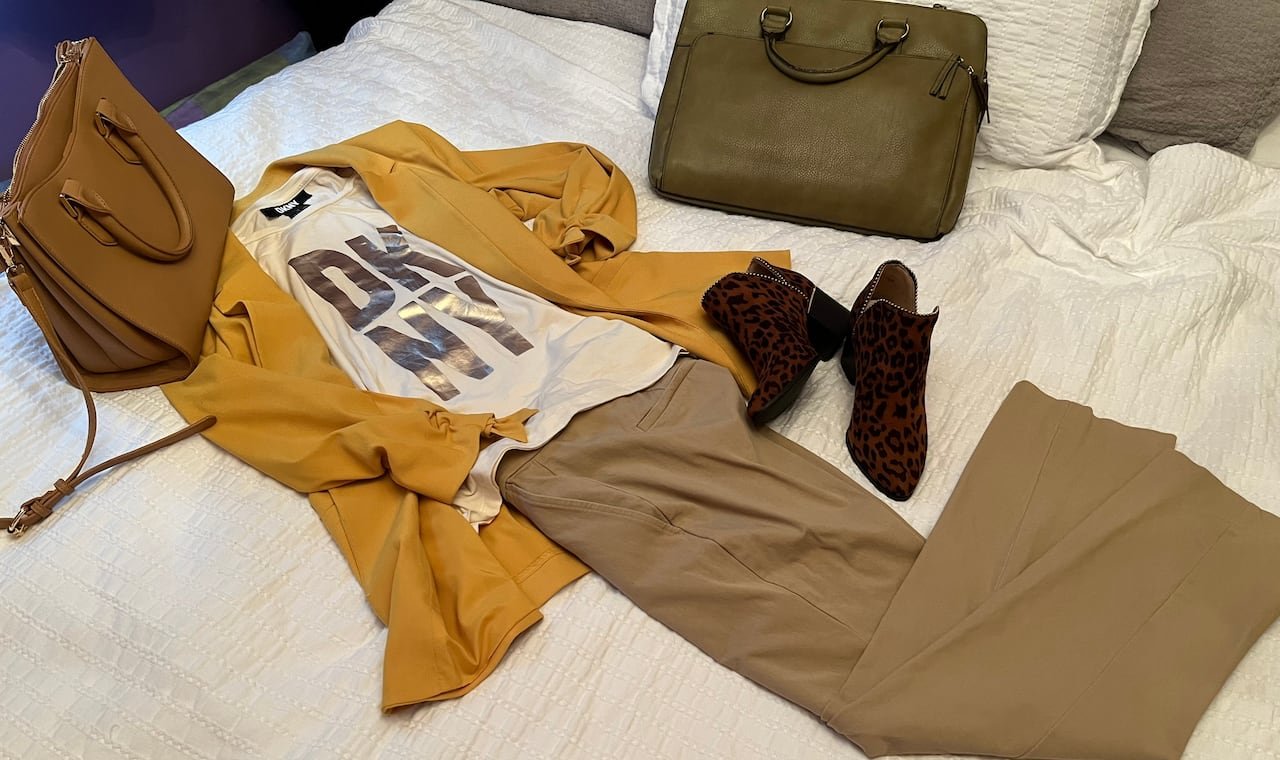
Encountering “ICYMI” in a headline for the first time, I initially mistook it for a celebrity’s brand logo, given my familiarity with labels like Calvin Klein (CK) and Donna Karan New York (DKNY). Subsequently, spotting the same abbreviation in workplace communications left me perplexed. Clearly, I had indeed “missed it.”
While terms like LMAO and WTF are commonplace, they remain alien to me. I attribute this gap in my knowledge to my parents, who were strict about avoiding slang, even going as far as making my older sister write lines promising to steer clear of informal language.
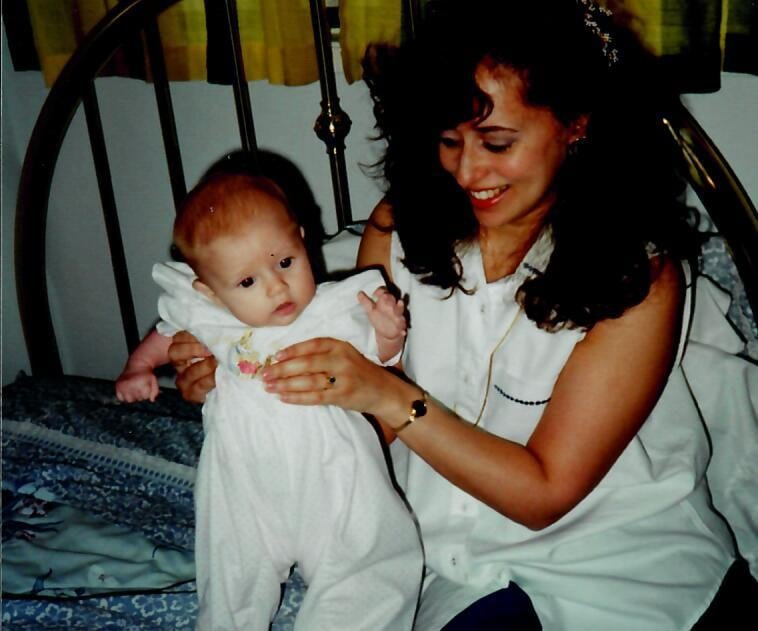
As a parent myself, I adopted a more relaxed approach, eschewing baby talk and opting for clear articulation, breaking down complex words for my children. I served as their audio guide to the world, drawing inspiration from women’s magazine guides on parenting, ensuring their comprehensive education. A friend once marveled at my toddler’s extensive vocabulary.
Now, I find myself seeking my daughter’s assistance in decoding modern language. How the tables have turned.