

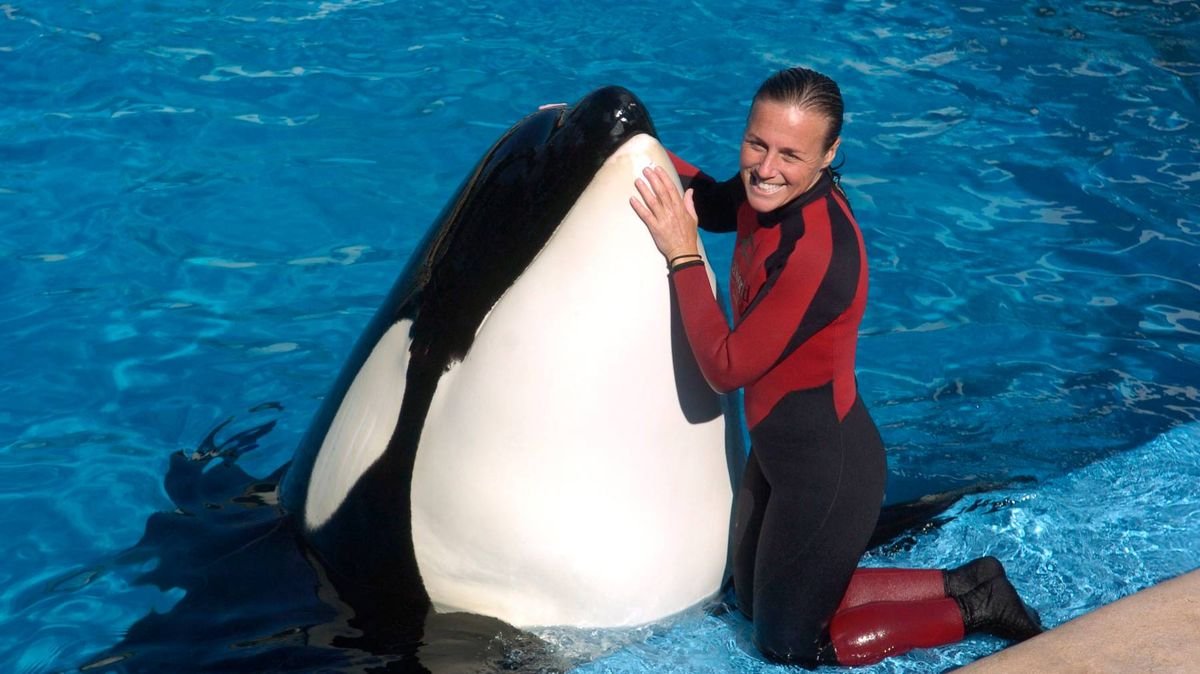

In a tragic turn of events, Dawn Brancheau, an experienced SeaWorld trainer, met a fatal end at the hands of Tilikum, the largest bull orca in captivity. During a routine contact session in February 2010, Tilikum grabbed Dawn’s ponytail, pulling her into the tank as horrified onlookers watched helplessly.
Despite Dawn’s attempts to free herself, she was overpowered by the massive whale, weighing 12,500lbs and measuring 22ft in length. As the emergency protocols were initiated, colleagues tried to intervene by signaling Tilikum to stop and using a weighted net to separate him from Dawn.
Despite these efforts, Tilikum continued his aggressive behavior, causing severe injuries to Dawn. Witnesses described the violent attack as Tilikum thrashed the trainer around, leading to a tragic end. Former trainers have since come forward, suggesting that Tilikum may have intentionally harmed Dawn, pointing to previous incidents involving the whale’s aggressive behavior.
Tilikum’s history of violence dates back to previous incidents, including a death in 1991 and another in 1999, raising concerns about his captivity and well-being. Experts have speculated that the captivity conditions may have contributed to Tilikum’s erratic behavior, although SeaWorld has disputed these claims.
The documentary “Blackfish” shed light on Tilikum’s troubled past, revealing the harsh conditions he endured before arriving at SeaWorld. The film highlighted the challenges faced by captive orcas and their impact on their mental and physical well-being.
Despite his troubled history, Tilikum went on to father numerous calves at SeaWorld, becoming a significant figure in the industry. However, his involvement in multiple tragic incidents raised questions about the ethics of keeping such intelligent and complex creatures in captivity.
In January 2017, Tilikum passed away at the age of 35 due to a bacterial infection, marking the end of a controversial chapter in the history of captive orcas. The legacy of Tilikum serves as a reminder of the complex relationship between humans and marine mammals in captivity.