

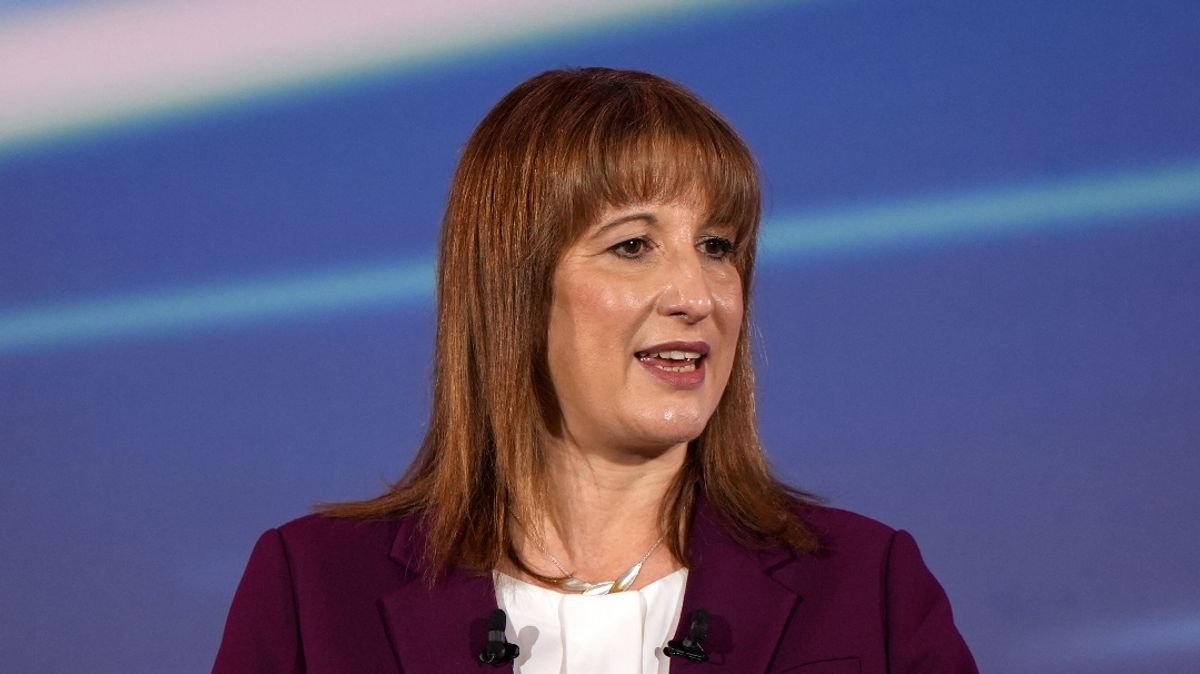

Rachel Reeves is set to convene a meeting with key Cabinet members to emphasize the importance of reducing inflation. The Chancellor will stress the necessity for government departments to refrain from actions that could exacerbate inflation, amidst growing criticism.
The upcoming meeting, planned for this Thursday, coincides with the anticipated release of inflation data by the Office for National Statistics on Wednesday. Projections indicate that inflation reached a 21-month peak of 4% last month, surpassing the Bank of England’s 2% target by double the rate.
The surge in inflation will add more pressure on both the Labour Party and the government, particularly with the Autumn Budget approaching. There are discussions within the government about potentially eliminating VAT on household energy bills, a move that could help lower inflation and ease financial burdens for many households.
Previous measures introduced in Rachel Reeves’ previous Budget, such as the increase in employers’ national insurance, have been blamed for contributing to the inflationary trend.
A source from the Treasury stated, “The Chancellor is prioritizing addressing the cost of living urgently, considering all possible measures to reduce expenses, including actions to decrease energy bills. She is rallying the entire government to actively participate as it remains her primary focus.”
The purpose of the meeting on Thursday with select Cabinet ministers is to review policy decisions within their domains that might be driving inflation and increasing costs.
This initiative follows a joint letter from Rachel Reeves and PM Keir Starmer last month, highlighting the importance of avoiding policies that raise prices and emphasizing the need to control and reduce costs.
The International Monetary Fund recently issued a warning that UK households would face the highest inflation among the world’s seven major economies this year and the next. This forecasted increase in prices surpasses earlier estimates made in July, making another rate cut by the Bank of England less likely, which could benefit savers but pose challenges for borrowers.
While the IMF upgraded its economic growth forecast for the UK this year, it revised its prediction for the following year due to concerns about the job market.