

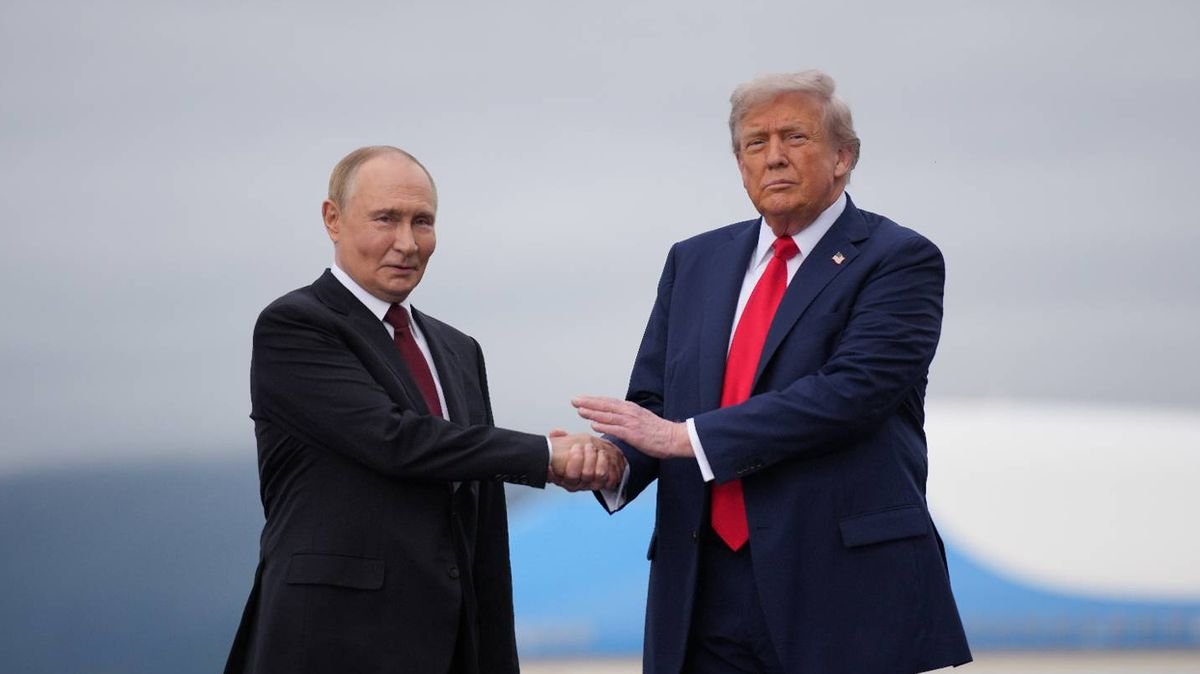

In various global regions such as Ukraine, Gaza, and Sudan, we witness devastating conflicts and loss of lives, making us believe that such turmoil couldn’t touch our own shores. Nevertheless, a subtle conflict is already underway as Russia engages in hybrid warfare against us. While our streets may not be bombarded with missiles and explosives, Russia’s actions are indicative of a more covert aggression.
Russia has deployed spy vessels to surveil and potentially target crucial undersea cables carrying internet and power, in addition to using lasers against RAF aircraft and disrupting GPS signals for UK vessels. The assassination of Dawn Sturgess by Russian operatives in Salisbury in 2018 serves as a stark reminder of the hostile activities orchestrated by Russia.
On a daily basis, the UK confronts cyber hostility from Russia, with ransomware groups associated with the Kremlin already launching attacks against the country. The UK government has cautioned about potential future threats targeting essential infrastructure like the electricity grid and rail network.
The conflict in Ukraine has largely stagnated with minimal territorial shifts throughout the year. Russia’s strategic goal extends beyond territorial conquest to encompass the people and culture of Ukraine, ultimately aiming to suppress democratic values cherished globally. Amidst this conflict, ensuring security guarantees for Ukraine remains pivotal, especially given past treaty violations by Russia.
As Ukraine contemplates a ceasefire with Russia, demanding robust security assurances is imperative. The proposal includes NATO allies stationing troops in Ukraine to deter further aggression. With troops stationed in Estonia and other NATO members positioned along Russia’s borders, a united front against any expansionist ambitions is crucial.
While hopes for a ceasefire persist, it is essential to demonstrate resolve in the face of Russian aggression. Music venues and recording studios, vital components of the UK’s music industry, face imminent financial challenges due to the government’s decision to halt business rates relief starting in April 2026. To preserve the vibrancy of the music scene, extending this relief is essential.
Recent events, such as the incarceration of former Welsh Reform UK leader Nathan Gill for accepting pro-Russian bribes and questionable political donations, underscore the need for stringent regulations on financial influences in politics. Implementing donation caps and expenditure limits can empower voters and uphold the integrity of the political process.
Looking ahead to 2026, the Renters Right Act promises significant strides in addressing the disparities between renters and homeowners, particularly in curbing excessive upfront rental payments and regulating student letting practices. Embracing these changes can bridge the class divide and enhance housing rights for renters across the UK.