

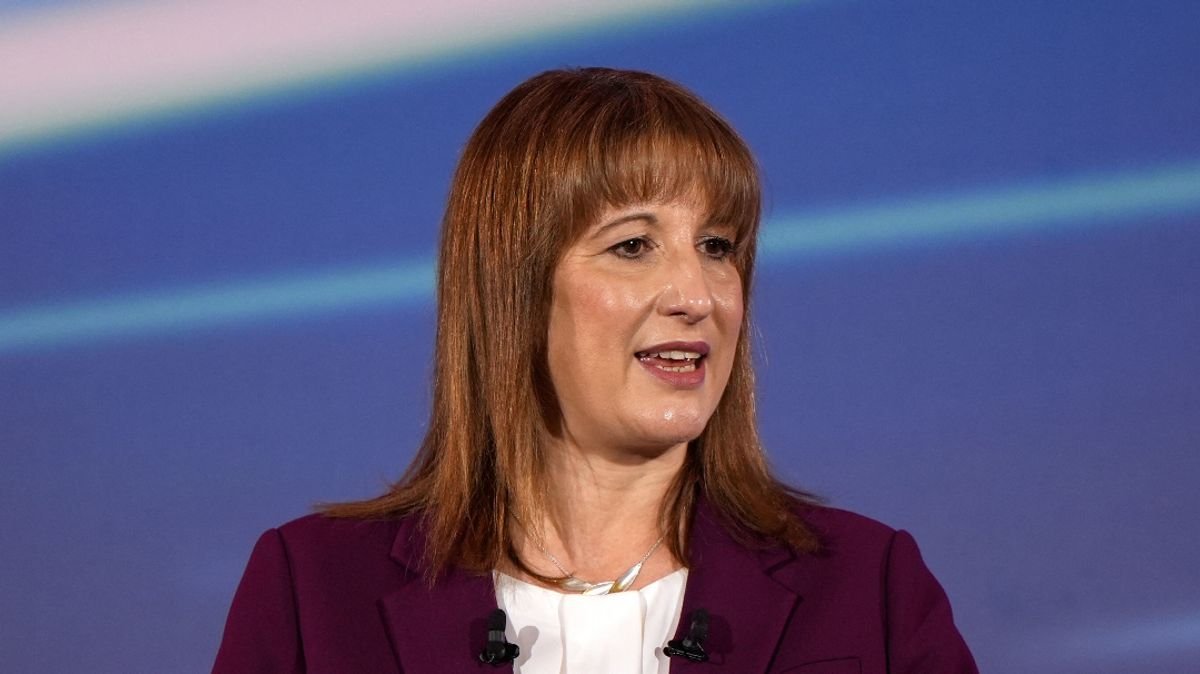

Brexit and the austerity measures by the Tory government have had a more significant impact on the UK’s economy than initially anticipated, as suggested by Rachel Reeves. The Chancellor hinted that the Office for Budget Responsibility (OBR) would provide candid assessments of the challenges leading up to the upcoming Budget announcement. The OBR had previously estimated that the Brexit agreement could lower productivity by 4% compared to staying in the EU and is set to release its latest economic projections concurrently with the Budget on November 26.
During a regional investment summit in Birmingham, Ms. Reeves pledged to streamline regulations for businesses, acknowledging that the economy is not performing optimally. She emphasized the importance of taking decisive actions in the forthcoming Budget to ensure economic stability.
In discussions, Ms. Reeves highlighted that austerity measures, reductions in capital spending, and Brexit have had a more substantial impact on the economy than initially predicted. She expressed the intention to strengthen ties with the European Union to alleviate unnecessary burdens on businesses since 2016.
Looking ahead, Ms. Reeves emphasized that the Budget will prioritize fostering growth while addressing the challenges faced by businesses, such as tax increases, geopolitical uncertainties, and trade barriers. Additionally, she acknowledged the concerns regarding high energy prices among consumers, indicating that it remains a significant issue for households nationwide.
The Chancellor is exploring options to reduce energy costs, including potentially cutting the 5% VAT on energy bills in the upcoming Budget to assist struggling households. Despite the efforts, recent data revealed that Government borrowing in September reached a five-year high, underscoring the challenges faced by the economy.
For the latest news updates, consider selecting Daily Mirror as a ‘Preferred Source’ on Google News for convenient access to relevant news content.