

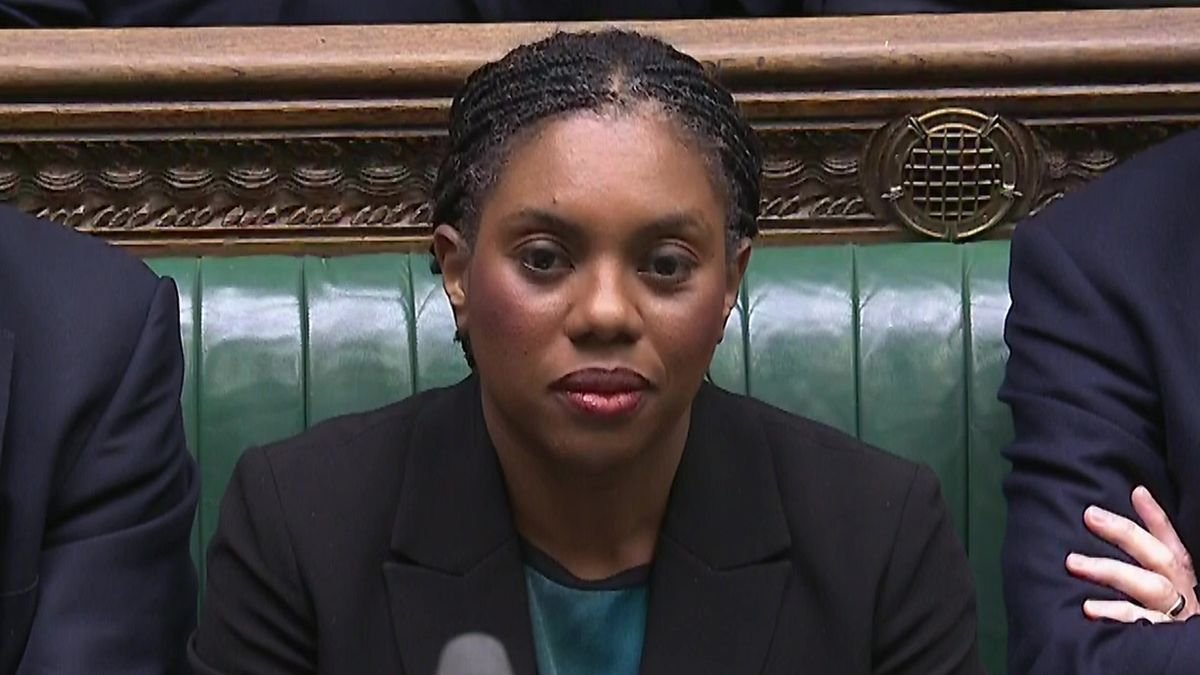

Kemi Badenoch faces criticism for perceived lack of strength in opposing Robert Jenrick’s endorsement of burqa bans. Despite Badenoch’s previous stance that the Conservative party would not enforce such a ban or monitor women’s attire, Jenrick diverged from this position, stating his support for banning burqas on Talk TV. He emphasized the importance of upholding core British values and addressing issues like sharia courts and burqa-wearing to preserve societal ideals for future generations.
Drawing attention to Italy’s proposed legislation to outlaw burqas and niqabs in public spaces, Jenrick’s remarks spurred reactions within the Conservative party. Former Home Secretary Suella Braverman expressed support for a burqa ban, questioning why the UK had not taken similar action. Additionally, Tory chair Kevin Hollinrake hinted at backing such a prohibition.
France’s prohibition of burqa wear in public areas in 2010 served as a precedent for such bans. In contrast, Badenoch reiterated her stance against an outright burqa ban under her leadership, citing practical challenges such as enforcing the ban and prison capacity constraints.
While Nigel Farage refrained from advocating for a burqa ban, he criticized the garment as “anti-British” and called for a debate on the matter. Disagreements within Reform UK emerged when Chairman Zia Yusuf initially resigned over a party member’s call for a burqa ban.
Downing Street responded to Jenrick’s remarks by reaffirming the UK’s commitment to religious tolerance and the freedom to express one’s religious identity. The government emphasized the importance of an inclusive society where individuals can practice their faith without fear of discrimination, in line with legal provisions.
Labour MP Sam Rushworth condemned the potential burqa ban as conflicting with British values, highlighting a perceived challenge to Badenoch’s leadership authority. The Labour party criticized Badenoch for failing to assert her position against Jenrick, portraying it as a leadership shortcoming.
A spokesperson from the Muslim Council of Britain criticized Jenrick’s proposal as overly regulatory and accused politicians of using the burqa debate as a distraction from addressing more pressing national issues. The spokesperson emphasized the need for genuine leadership rather than symbolic gestures.
The ongoing debate surrounding burqa bans underscores the complexities of balancing personal freedoms with societal values, sparking diverse opinions within the political landscape.