

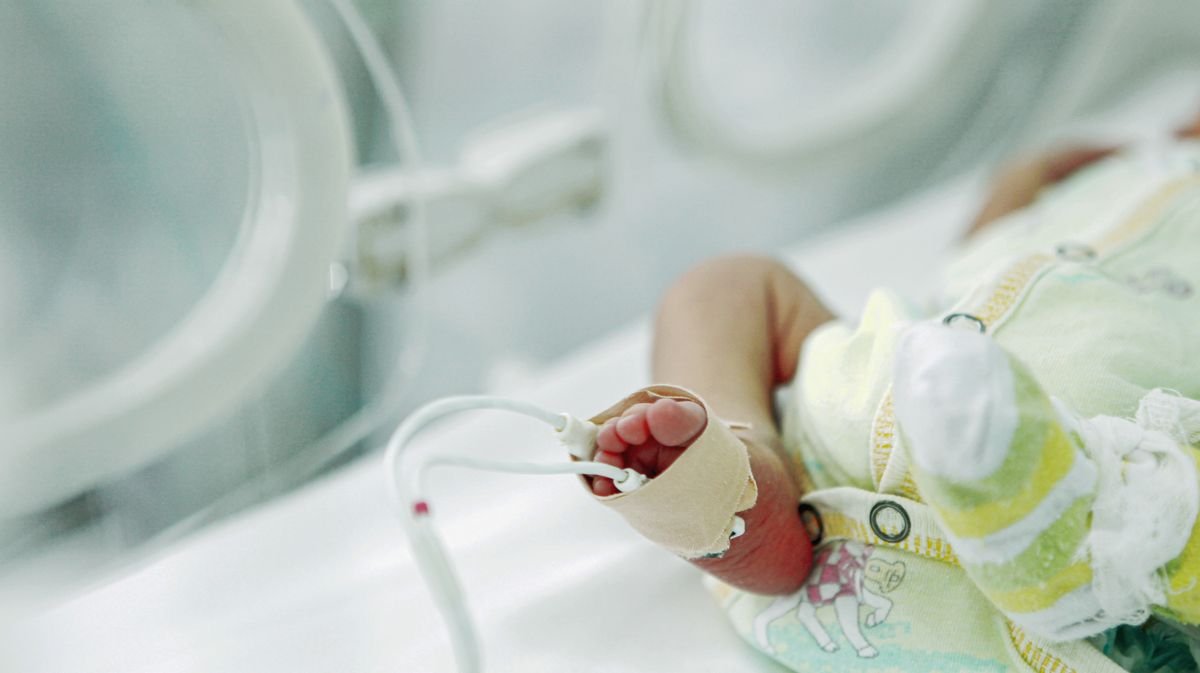

Researchers have raised concerns over a notable surge in newborns contracting infections that are resistant to antibiotics. Previously believed to mainly affect older infants, these infections are now affecting newborns within their first days of life.
A recent study by Australia’s University of Sydney examined close to 15,000 blood samples from sick infants in 2019 and 2020 across ten hospitals in five Southeast Asian countries, including Indonesia and the Philippines.
The study revealed that many of the infections identified are unlikely to be treatable with current recommended therapies by the World Health Organization. The lack of new antimicrobial drugs tailored for infants exacerbates this issue.
Associate Professor Phoebe Williams, the senior author of the study, emphasized the urgent need to update guidelines based on local bacterial profiles and resistance patterns to address the rising mortality rates among babies.
Antibiotics are crucial for combating bacterial infections but are not effective against all types of infections. Efforts are underway to reduce antibiotic usage due to the risk of bacteria developing resistance to these drugs.
The study analyzed the infections to determine if they were caused by gram-positive or gram-negative bacteria, with the latter, including Acinetobacter and E. Coli, responsible for 80% of the cases. These bacteria are more prone to spreading and developing antibiotic resistance.
The research team is advocating for an immediate revision of diagnostic and treatment protocols for newborns. They highlighted the need for region-specific surveillance to guide treatment decisions and prevent setbacks in reducing child mortality rates.
Co-author Michelle Harrison stressed the importance of prescribing effective treatments to combat fungal infections, which accounted for a significant proportion of serious infections in babies. Regional data is crucial for improving treatment outcomes and safeguarding infant lives.