

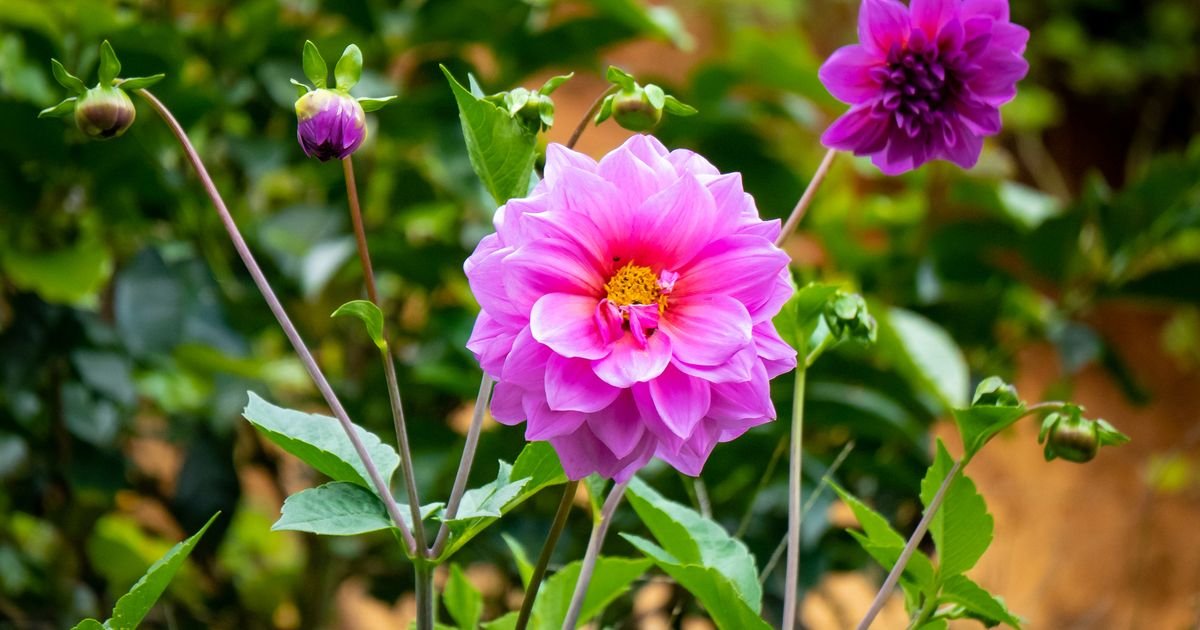

Renowned gardening expert Monty Don has provided valuable tips for October, emphasizing a clever trick to maximize the blooming season of dahlias as autumn sets in.
In his recent blog post, Monty highlights the importance of consistent deadheading throughout October, especially for plants like dahlias, to prolong their flowering period and encourage one last bloom. He advises gardeners to distinguish spent dahlia flowers from unopened buds by observing their shape, with finished flowers taking on a pointed cone shape, in contrast to the rounded form of buds.
Monty also recommends a cost-effective practice of collecting seeds from perennial plants for future use, storing them in paper bags in a cool, dry place until ready for planting. This time of year is ideal for bringing tender plants indoors for protection from the cold and for transplanting deciduous trees, shrubs, and hedges to take advantage of the warm soil for immediate root growth.
For optimal growth, Monty stresses the importance of watering newly transplanted plants thoroughly and consistently until the ground is saturated or the leaves have shed. Evergreen plants should be prioritized for transplantation before deciduous species to ensure robust root development before winter sets in.
In terms of lawn care, Monty advises maintaining grass length throughout the growing season, erring on the side of longer grass to protect it during winter. Gardeners can continue planting spring bulbs, with the exception of tulips for another month, and sow sweet peas for early spring blooms. Sowing sweet peas in October results in stronger plants with larger root systems that yield earlier and longer-lasting flowers in spring, but precautions should be taken to protect young plants from harsh winter conditions.
To mitigate risks, Monty suggests sowing sweet peas in two batches, with some in October and the rest in February, using three seeds per pot and high-quality compost for optimal growth. After germination indoors, the plants can be moved outside to a cold frame or sheltered spot, requiring protection from extreme cold, rodents, and excessive moisture. By following these guidelines, gardeners can enjoy a vibrant and flourishing garden come springtime.