

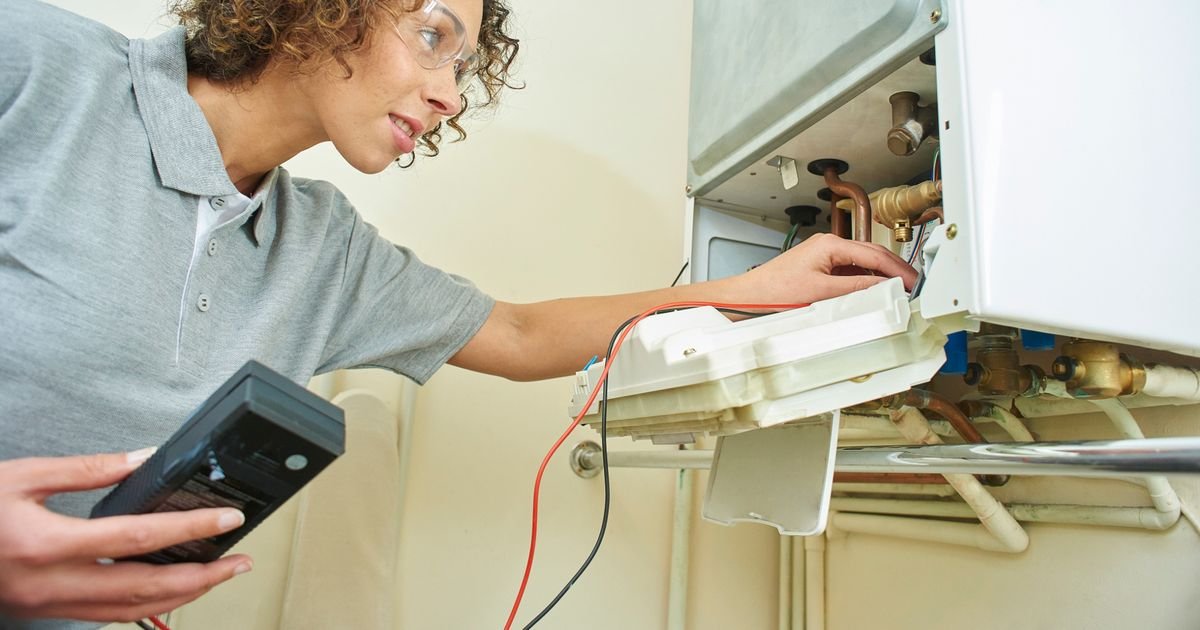

As winter approaches and temperatures drop, it’s essential to understand how your heating system operates. If you’re experiencing issues with your boiler and are concerned about the cost of hiring an engineer, here are some tips to consider. Additionally, we’ll explore the value of insurance policies that cover home emergencies.
Many individuals struggle to grasp the functionality of their thermostats, as surveys consistently reveal. Despite setting a temperature, most people rarely adjust the dial or interact with their thermostat. With the recent energy cost crisis, more individuals have taken the time to familiarize themselves with their heating systems, whether by investing in smart thermostats or reviewing their boiler manuals. However, for many, heating systems remain a perplexing aspect of home maintenance.
Every year, numerous people spend significant amounts on emergency callouts for issues with thermostats that could be easily resolved for less than £1. A common problem is thermostats requiring a simple battery replacement. Users often get confused by flashing symbols on their boilers, which signifies a breakdown in communication with the device. Similarly, smart thermostats may encounter issues, usually indicated by a blinking screen, necessitating a reboot or troubleshooting as per the manufacturer’s guidelines.
If your boiler continues to malfunction, conduct basic checks such as adjusting the dials, utilizing the ‘boost’ function, and observing the boiler’s response. Re-pressurizing the boiler, though intimidating for some, is usually a straightforward process. It is crucial to read and understand the steps thoroughly before proceeding to avoid mishaps, especially since water leakage and hot surfaces could pose risks.
In cases where the boiler manual is inaccessible or incomprehensible, online resources and YouTube tutorials can be valuable sources of information. However, it is advisable to attempt only simple procedures such as re-pressurizing the boiler and avoid dismantling complex components based on instructional videos.
If your radiators are not heating efficiently, bleeding them to release trapped air might be necessary. This procedure, while initially daunting, can be easily accomplished with guidance from energy companies’ online resources. Regularly bleeding radiators is recommended to maintain optimal heating performance and prevent issues.
Considering a policy to cover boiler breakdowns is prudent given the potential high costs associated with engineer callouts. However, before committing to a policy, ensure you understand the coverage details, including emergency callout fees, repair timelines, and potential exclusions. Differentiating between insurance products and service contracts is crucial, as this distinction affects dispute resolution avenues and financial protections available to consumers.
When selecting a boiler or home emergency policy, look for key features such as a 24/7 emergency helpline, initial no-claims period, callout limits, and coverage for older boilers. It is also advisable to consult your existing home and contents insurance provider to explore add-on options that may offer comprehensive coverage at competitive rates.
To prevent heating system issues and potential damage to pipes, experts recommend periodically testing your boiler and maintaining a low thermostat setting. Additionally, if you plan to be away during the holiday season, adjusting the thermostat to a lower level rather than switching off the boiler entirely is advisable.
Understanding the functionality of your heating system, conducting routine maintenance, and exploring insurance options can help you address potential issues effectively and maintain a comfortable living environment during the colder months.