

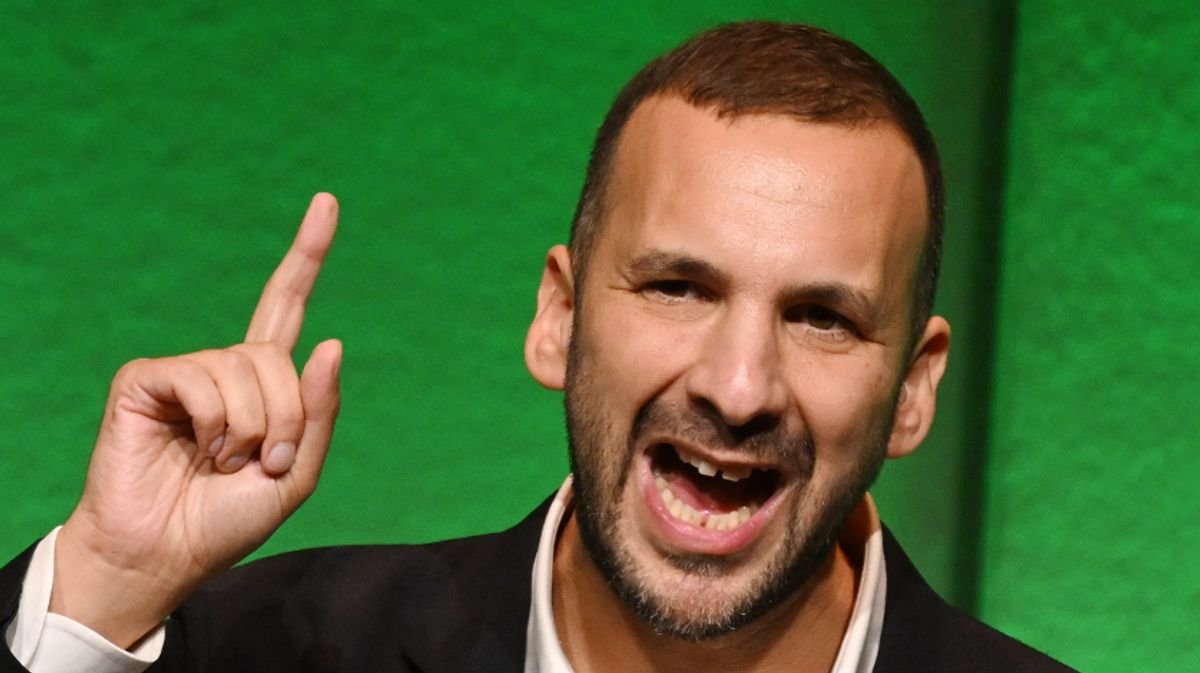

The Green Party’s recently elected leader Zack Polanski is drawing attention for his stark contrast to Nigel Farage’s political ideology. Described as a charismatic left-winger and self-proclaimed “eco-populist,” Polanski has openly criticized Farage, labeling him as a “fascist” and expressing determination to prevent his right-wing party from gaining power. Despite their ideological differences, both the Greens and Reform UK have seen a rise in popularity, attributed in part to their effective use of social media to engage with disenchanted voters.
A voter in a recent More in Common focus group highlighted their admiration for both Zack Polanski and Nigel Farage, showcasing the appeal of diverse political figures in today’s landscape. According to elections expert Luke Tryl, the current political climate is transcending traditional left-right divides, fueled by a growing anti-establishment sentiment. Polanski’s communicative approach, characterized by accessibility and genuine interactions with the public, has resonated with many, contrasting the perceived scripted and performative nature of mainstream political parties.
Recent polling data indicates a significant surge for the Greens, surpassing other major parties with a 17% approval rating, trailing only behind Reform at 32%. This unexpected shift has unsettled established political entities, particularly Labour, as they strive to regain trust from voters disenchanted by years of Conservative rule. The rise of non-traditional parties like the Greens and Reform reflects a broader discontent with the existing political system, with a considerable portion of the electorate seeking alternatives to the status quo.
In addition to anti-system sentiments, the social media prowess of the Greens and Reform has played a crucial role in their growing influence. By crafting engaging and shareable content, these parties have effectively captured the attention of online audiences. Polanski’s appeal lies in his focus on progressive issues like climate change, attracting support from Generation Z, young women, and progressive activists concentrated in urban centers like London, Bristol, Sheffield, and Manchester.
Polanski envisions his leadership as a catalyst for shifting Labour’s policies towards a more progressive stance, emphasizing the importance of addressing societal issues and public service reliability. As voters navigate between traditional and alternative options, strategic voting considerations come into play, with some potential for a realignment of support towards Labour to counter the rise of Reform. However, achieving this realignment requires a compelling and ambitious progressive agenda to sway disillusioned voters back to the fold.
The evolving political landscape underscores the need for parties to strike a balance between addressing contemporary challenges and offering a vision for a more equitable and opportunity-rich society. As the competition intensifies, parties must adapt to changing voter preferences and effectively communicate their platforms to secure support in an increasingly complex political environment.