


If there is one thing that the BBC can handle better than a Royal wedding, it’s a state of nervous breakdown.
Both the director general and the head of news have stepped down simultaneously, amidst allegations they may not have been involved in. Internal turmoil is evident as BBC journalists find themselves reporting on internal issues while grappling with their own challenges. The decision to invite Kelvin Mackenzie to discuss ethical standards on a morning show highlights the chaotic state of affairs.
Satan was evidently unavailable in Salford, possibly preoccupied with personal matters.
Donald Trump, in a striking move, has accused the BBC of disseminating fake news due to the misrepresentation of his speech to the January 6 rioters in a pre-election documentary. The incoming director-general must possess impeccable journalistic skills to evade such critiques, engage with Trump effectively, and maintain journalistic integrity.
Critics from conservative-leaning newspapers are celebrating what they perceive as the downfall of the BBC, likening recent resignations to a catastrophic collapse. However, considering the average tenure of a director-general is around 6 years, the outgoing incumbent’s performance has been fairly average. The situation does not signal apocalyptic times.
The BBC has faced severe scandals, including a chief news presenter being implicated in sexual offenses, gender disputes, rape allegations, accusations of bias, and internal conflicts. Addressing these issues and restoring trust requires astute leadership and strategic decision-making.
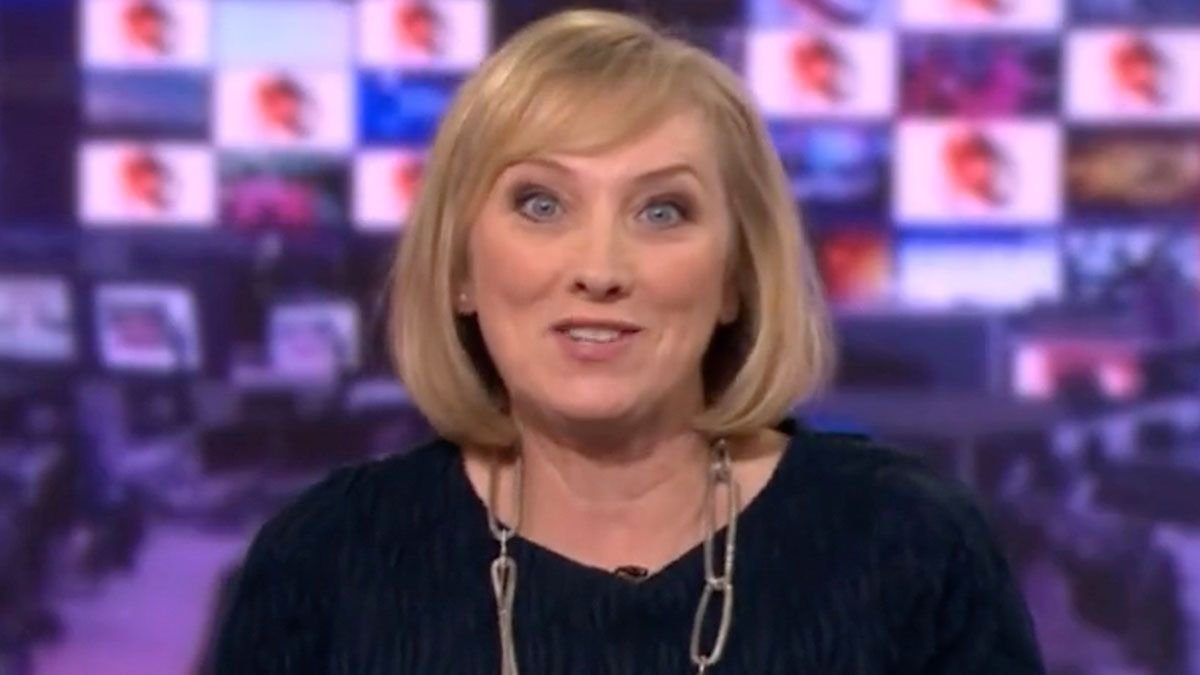
Operating a large institution like the BBC presents complex bureaucratic challenges, necessitating expertise in employment law, equal pay issues, and effective crisis management. Martine Croxall, a seasoned newsreader with a background in handling sensitive matters, appears to be a suitable candidate for such a role.
Leading the BBC demands political acumen and resilience against potential adversaries. Appointing Martine Croxall as the director-general and Alan Carr as her deputy could offer a fresh perspective on steering the organization through turbulent times.
Despite the prevailing skepticism, appointing a female leader like Martine could bring a new approach to addressing the BBC’s challenges. Embracing diversity in leadership may pave the way for a more transparent and accountable organization.
Martine’s reputation for fairness, integrity, and professionalism aligns with the values essential for leading the BBC. The notion that such qualities are deemed unconventional for leadership roles underscores the need for a cultural shift within the organization.
Ultimately, breaking the cycle of appointing individuals with similar backgrounds is crucial for the BBC to overcome its recurrent issues and regain public trust. Diversifying leadership and promoting inclusivity are pivotal steps towards a more resilient and reputable broadcasting institution.