

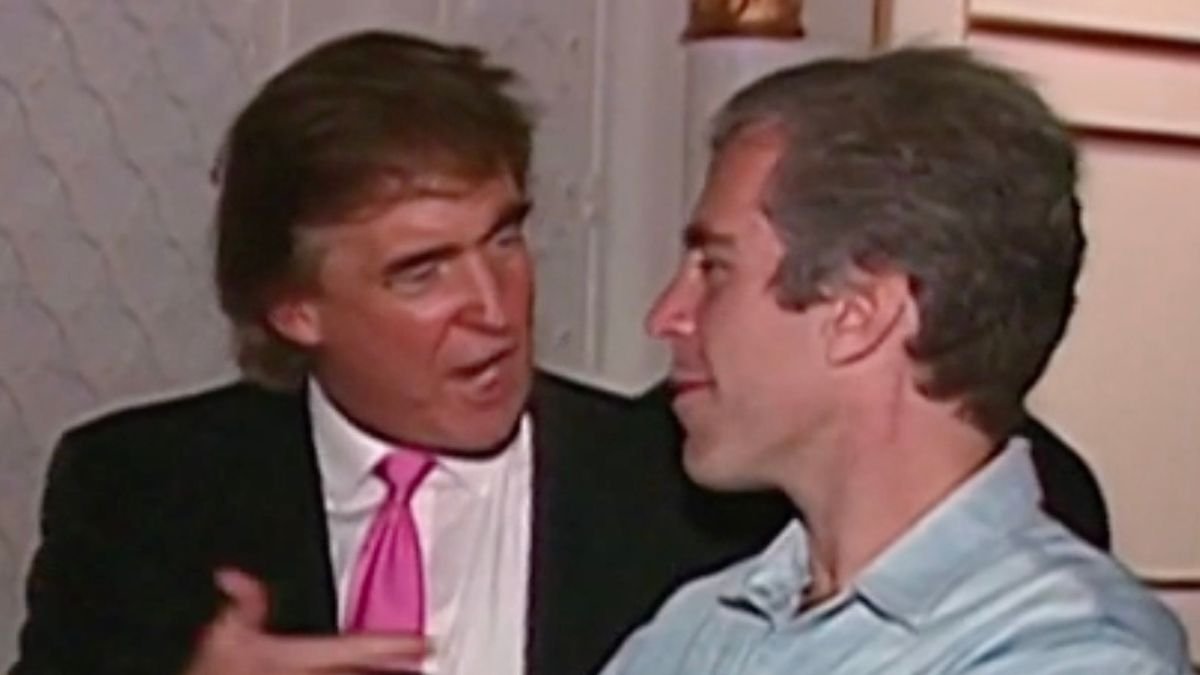

In a strategic move to deflect attention, Donald Trump has often shifted focus when faced with uncomfortable truths, showcasing his adeptness at diversion tactics. However, his usual tactics seem ineffective in shielding him from the lingering specter of Jeffrey Epstein, despite engaging in conflicts with the BBC, diplomatic endeavors, and military actions.
Epstein’s recently disclosed emails shed light on his claims that Trump was aware of the situation involving underage girls, with one victim reportedly spending significant time with him. These revelations, directly from Epstein himself, portray Trump not as an adversary but as a complicit associate, contradicting the president’s assertions of a severed relationship. Trump’s prior commitment to transparency, including promises to unveil all Epstein-related documents and expose societal elites exploiting the vulnerable, has proven hollow as the truth remains concealed under layers of bureaucratic secrecy.
As fragments of suppressed files emerge, Trump’s hypocrisy is starkly evident, underscoring his transformation from a corruption-fighting figure to a guardian of the very establishment he once criticized. Amidst resurfacing Epstein-related discussions, Trump has resorted to creating distractions, engaging in global tours, inserting himself into diplomatic affairs, and attacking media outlets like the BBC with legal threats and accusations of disseminating false information.
Despite Trump’s attempts at diversion, the damning emails from Epstein’s circle hint at a prolonged connection between the two individuals, challenging Trump’s attempts to rewrite the narrative surrounding their relationship. This scandal strikes at the core of Trump’s support base, causing fractures within the movement as some followers question his silence on the matter, while others speculate about conspiracies involving Epstein’s demise.
The unfolding Epstein saga digs deeper than mere political implications, delving into Trump’s past persona centered around image, reputation, and associations. It transcends partisanship to raise a moral quandary: why did Trump, once vocal about exposing Epstein’s misdeeds, opt for silence instead? Trump’s historical pattern of promising transparency, burying inconvenient truths, and blaming the media is overshadowed by the gravity of the Epstein emails, which cast a shadow on his moral character and integrity.
While Trump has long controlled narratives through spectacle and intimidation, the Epstein scandal presents a reckoning that he cannot evade, no matter how strenuously he seeks to distance himself from it.