

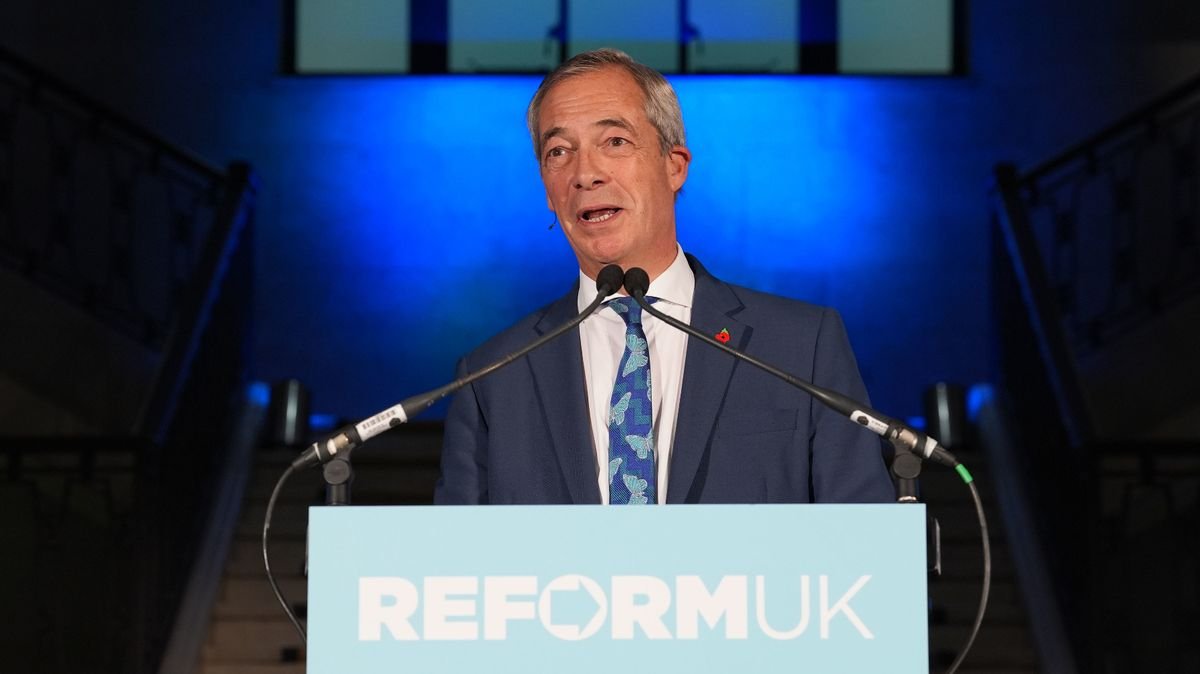

Nigel Farage, known for his flexible politics, recently revealed his alignment with Thatcherism by advocating for significant spending cuts and deregulation. This sudden shift in stance by the privately educated leader of Reform UK may not bode well for working-class communities, as his proposed policies resemble the divisive strategies of the 1980s.
Farage’s backtracking on previous promises, such as £90 billion tax cuts, has raised doubts about the credibility of Reform UK as a party. While he pledged to renationalize certain industries, he now clarifies that he only intended for “short-term, partial” public ownership of failing sectors.
Critics, including Kemi Badenoch, have labeled Reform as “another Left-wing party,” highlighting concerns about the party’s approach to benefit cuts. Targeting vulnerable groups like asylum seekers and minorities may not resonate well with voters, especially those seeking positive change without a return to harsh Thatcherite policies.
Despite attempts to appeal to certain demographics, Reform’s leadership, including Farage and Richard Tice, are staunch Thatcherites promoting policies reminiscent of past economic hardships. The party’s track record of tax increases and mismanagement in local councils raises questions about its ability to govern effectively.
As individuals like Sarah Pochin and Lee Anderson face scrutiny for controversial remarks and actions, it becomes evident that the core values of Reform may not align with the expectations of voters. Farage’s association with Thatcherism and the party’s divisive rhetoric may alienate potential supporters in the long run.
In summary, the emerging image of Nigel Farage and Reform UK as proponents of harsh Thatcherite policies may not sit well with a broader audience, setting the stage for a contentious political landscape.