


In the realm of British media, a longstanding tactic of instilling fear has been effectively utilized for four decades. To strike terror into the hearts of the populace, conjure up images of overflowing garbage heaps, queues for bread, and affluent individuals in fancy attire departing Heathrow Airport en masse, painting a picture of the havoc wreaked by the Labour party in the 1970s and warning of a return to chaos in a communist fashion.
Reflecting on the 1970s, I fondly recall a time of peak equality in our nation. It was an era where young individuals from working-class backgrounds like myself had the opportunity to learn a trade or pursue a higher education without financial burden, and where community values held significant importance.
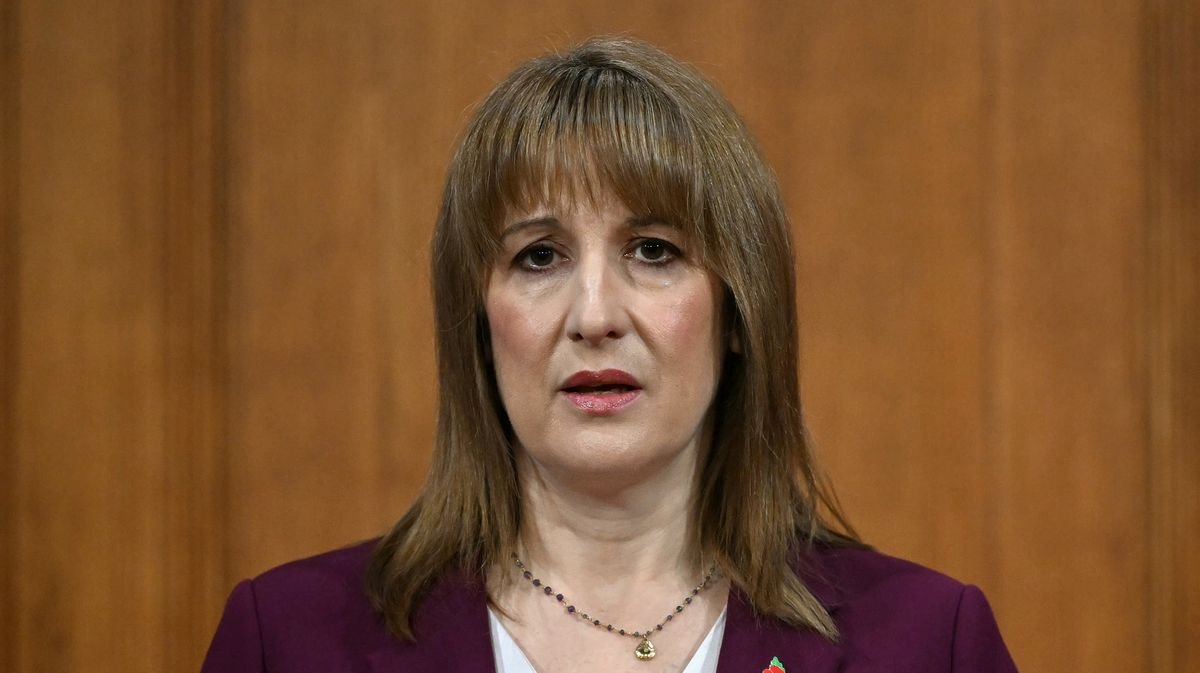
Currently, there is a chorus of alarm surrounding the likelihood of Rachel Reeves becoming the first chancellor since Labour’s Denis Healey in 1975 to increase the basic rate of income tax. What often goes unmentioned is that during Healey’s tenure, the basic tax rate stood at 33%, with eight ascending rates reaching up to 70%, all of which were raised by 2%. Notably, the top rate remained at a staggering 83%. In contrast, today’s top tax rate is 45%, and even if Reeves were to boost the basic rate by 2p, it would only reach 22% – still 3% lower than when Thatcher’s term ended in 1990. Furthermore, this adjustment would maintain a lower tax burden compared to most similar economies.
Critics are quick to point out that such a move by Reeves would violate her party’s pledge outlined in the manifesto not to raise income tax, potentially resulting in electoral repercussions. However, with Labour’s popularity plummeting, the stakes seem lower. In the face of needing to secure £107 billion annually solely to cover the interest on the substantial national debt, the party and the nation stand to lose much more if Reeves does not address the grim financial realities. When considering electoral alternatives, Nigel Farage’s backtracking on Reform’s tax reduction promises and Ten Job Johnny’s proposed welfare and public service cuts to facilitate tax breaks for the wealthy raise doubts about their feasibility.
The accusations of tax betrayal from the Tories ring hollow when reflecting on the austerity measures of Osborne, the Brexit turmoil under Cameron, the mishandling of the pandemic by Johnson, and the budgetary blunders of Truss, all contributing to the current financial strain. Labour’s dwindling support can be attributed to a perceived lack of vision and competence among voters, with Reeves’s track record failing to dispel these notions. It is imperative to confront this perception directly.
It is time to acknowledge that sustaining top-tier public services and a well-funded welfare system for the disadvantaged, all while maintaining low taxation, is not feasible. Reeves’s only viable option is transparency. In her forthcoming Budget, she must communicate that rectifying the country’s economic woes necessitates increased tax contributions from all, with the wealthiest bearing the brunt. Admitting the error in promising no income tax hike, but emphasizing the national interest over party loyalty, is crucial.
In response to Kemi Badenoch’s dismissal of Reeves’s recent speech as mere “waffle,” a reminder is in order for Rachel. When faced with severe criticism for his tax-raising budget five decades ago, Healey justified his actions by citing the harsh realities of the world. In the upcoming 18 days, Reeves must deliver a budget that resonates with the truth.
UKLash has unveiled enticing Black Friday deals, including discounts on various bundles, such as the Lash Growth Serum + Tubing Mascara Set.