

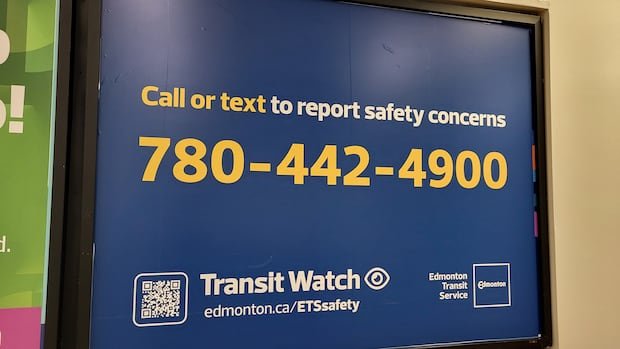

In the early hours of Monday, March 2, a passenger on an Edmonton transit journey was physically attacked while passing through Churchill Station en route to the Valley Line LRT. Recounting the incident later that day in a text message to Transit Watch, the rider mentioned being punched in the face and explained the delay in reporting it was due to a desire to leave the area quickly and return home.
On the same day, Transit Watch received multiple reports from riders concerning various safety issues, including harassment, drug use in public, drug dealing, setting a fire at a bus stop, and an individual brandishing a flame lighter inside a transit center. Despite ongoing efforts by the City of Edmonton to enhance safety on public transit by increasing the presence of peace and police officers, expanding outreach teams, and investing in cleaning and security upgrades, recent text messages sent to the reporting line indicated persistent safety concerns among riders.
Text messages obtained by CBC News, covering a period from mid-February to mid-March, revealed a consistent stream of reports from across the city, with many highlighting worries about drug use and smoking in LRT stations, bus stops, and pedestrian walkways. Instances of witnessing individuals using substances like meth, crack, and fentanyl on transit premises, as well as experiencing verbal abuse and discriminatory behavior from intoxicated passengers, were among the reported incidents.
Additionally, riders expressed discomfort at encountering drug deals, drug paraphernalia, public urination, and disruptive behaviors such as screaming and obstruction of pathways. Concerns were raised about safety hazards like finding a used condom inside a ticket machine at Davies Transit Centre, pools of blood at Belvedere Transit Station, fires being set in transit areas, broken glass, altercations on LRT trains, and threats of violence at various transit locations.
Regular commuter Katarina Hamilton, who communicates with Transit Watch approximately once a month, highlighted instances of individuals obstructing entrances and starting fires, especially during late evening and early morning hours. She recalled an incident from a year ago at Central Station involving a physical altercation with weapons, prompting her to report the situation to Transit Watch and subsequently contact the police out of concern for her safety and nearby children.
Hamilton emphasized that an increased presence of peace officers and enhanced surveillance through security cameras on buses would contribute significantly to her sense of security while using public transportation. Despite efforts by Edmonton Transit Service (ETS) to monitor rider perceptions of safety through annual surveys, which indicated a consistent 61% feeling of safety during transit trips in 2025 compared to the previous year, challenges persist in addressing safety concerns and altering public perception rapidly.
According to Carrie Hotton-MacDonald, ETS’s branch manager, the colder months tend to witness a higher volume of messages to Transit Watch, reflecting an overall increase in text communications year over year, aligning with the growth in ridership and promotional activities related to the safety reporting service. Data from the Edmonton Police Service showed a rise in police responses to violent incidents at LRT and transit center locations from 292 times in 2024 to 307 times in 2025, with a decrease in calls recorded thus far this year compared to 2025.
To enhance rider safety perceptions, ETS is implementing several initiatives, including the addition of 30 peace officers and a new community outreach team. These efforts aim to strengthen safety measures by offering cellular connectivity in LRT tunnels, engaging in more rider outreach, providing travel training support, and enhancing infrastructure at transit stations. City council members, such as Coun. Anne Stevenson, emphasized the importance of addressing root causes of social disorder and supporting initiatives like safety attendants to improve safety on public transit.
Acknowledging the complex nature of addressing safety concerns related to public transit drug use, experts like David Cooper emphasized the need for sustained support from provincial and federal partners in addition to one-time investments in staffing and infrastructure improvements. Cooper’s research on public transit drug use and safety recommendations for Canadian transit agencies highlighted the importance of collaborative efforts to tackle the issue effectively and ensure long-term success in enhancing public transit safety.