

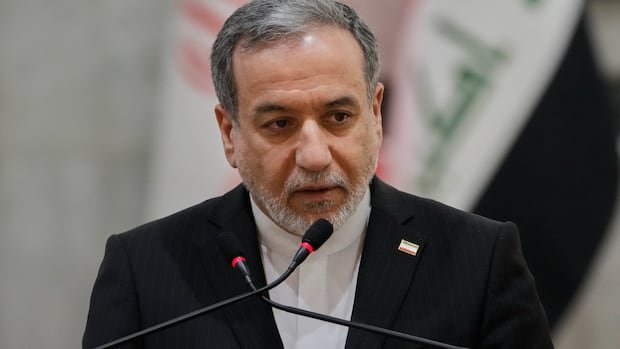

Iran’s foreign minister has dismissed recent threats made by U.S. President Donald Trump, who declared intentions to carry out the “MOST CRUSHING ECONOMIC OPERATION EVER TAKEN” against Iran. Abbas Araghchi, in a statement on X, labeled Trump’s proposed “Economic D-Day” as a diversion tactic from America’s own financial challenges. Araghchi emphasized that persisting with failed strategies would lead to further defeat and animosity towards Iranians, cautioning that U.S. economic coercion poses a threat to the global economy and sovereignty worldwide.
Trump’s announcement of an impending “Economic Warfare and Isolation on an unprecedented scale” against Iran followed his frustration over the inability to secure a lasting peace deal to end the prolonged conflict. The U.S. president’s Truth Social post also warned countries against offering any support to Iran, threatening “TREMENDOUS Economic Consequences” and calling for allied nations to stand together to counter the Iranian threat without specifying the actions to be taken.
China, a major purchaser of Iran’s oil, faces potential repercussions if the U.S. escalates economic hostilities given their significant trade ties. Responding to Trump’s economic threats, Chinese Foreign Ministry spokesperson Lin Jian stressed that sanctions and pressure are not the solution, urging a responsible and diplomatic approach from all parties involved.
U.S. Treasury Secretary Scott Bessent suggested that focusing on economic measures could reduce the necessity for large-scale military interventions against Tehran. In response to the U.S. warnings of financial penalties, oil prices surged to their highest levels in over three weeks. Dan Shapiro, a former U.S. ambassador to Israel, warned that Trump’s approach fails to acknowledge Iran’s capacity to withstand economic pressure and retaliate, potentially leading to broader consequences for the global economy.
Iran has endured severe economic sanctions for years, exacerbated by the Trump administration’s restrictions since the conflict erupted. Despite thousands of casualties and stalled peace negotiations, the two nations remain at an impasse, with a 60-day negotiation deadline expiring without an extension. Trump hinted at the possibility of future talks resuming, leaving the situation unresolved.