

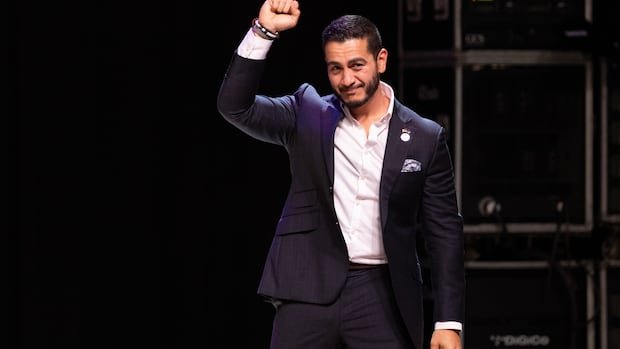

Abdul El-Sayed’s triumph in the Michigan Democratic Senate primary is being hailed as a significant victory for the progressive faction of the party. In the crucial battleground state, the former public health official emerged victorious in a closely monitored race despite having a smaller budget compared to his moderate opponent, Haley Stevens, whose campaign received substantial backing exceeding $60 million US.
El-Sayed’s win is part of a broader trend of primary successes for Democratic socialist and leftist candidates. Just recently, progressive Peggy Flanagan secured victory in Minnesota’s Democratic Senate primary. However, while left-leaning candidates are securing nominations, there are doubts among some political analysts about their prospects in the upcoming midterm elections.
These developments raise questions about the trajectory of the Democratic Party and the potential presidential candidates for 2028. In a recent discussion, Washington correspondent Katie Simpson, along with “Front Burner” host Jayme Poisson and Bloomberg senior White House reporter Josh Wingrove, analyzed these implications and shared their insights.
Reflecting on the current state of the Democratic Party, Fareed Zakaria suggested that while the progressive wing has momentum, they may need to adjust their approach on cultural and social issues to appeal to a broader audience. The debate continues on whether the progressive movement has the necessary support to win elections and shape the party’s future direction.
Drawing parallels to past elections, Wingrove highlighted similarities between the El-Sayed-Stevens race and the Bernie-Hillary divide in 2016. The emergence of prominent figures like Alexandria Ocasio-Cortez as leaders of the progressive movement adds complexity to the party’s dynamics, hinting at a potentially competitive field in the upcoming years.
As the Democratic Party navigates through a period of reevaluation and potential transformation, the role of visionary leadership and innovative campaign strategies becomes increasingly crucial. The ongoing shift towards a younger generation of candidates in states like Michigan signals a possible wave of generational change within the party’s ranks.