


Abdul Razaq Khan, a former translator and guide for Canadian journalists during the Afghan conflict, found himself reminiscing about his past when a journalist he had assisted in Kandahar texted him late at night from Kabul. Having relocated to Kabul after the Canadian forces withdrew from Afghanistan and taken up a position at USAID, Khan was startled by the message in the summer of 2021 as the Taliban approached Kabul.
Expressing his distress, Khan responded, “It is like doomsday for us.” Despite being settled in Canada now, Khan still struggles to come to terms with the abrupt loss of his job, home, and country, reflecting on the events that led to the rapid downfall of the western-supported Afghan government.
For Khan, leaving his country was a painful necessity, a sentiment shared by many Afghans who worked with foreign journalists, military personnel, diplomats, and aid agencies. Escaping on foot just before the fall of Kabul, Khan faced the imminent danger posed by the Taliban, who had marked him due to his work with Canadian media outlets like The Canadian Press, CTV News, and Postmedia.
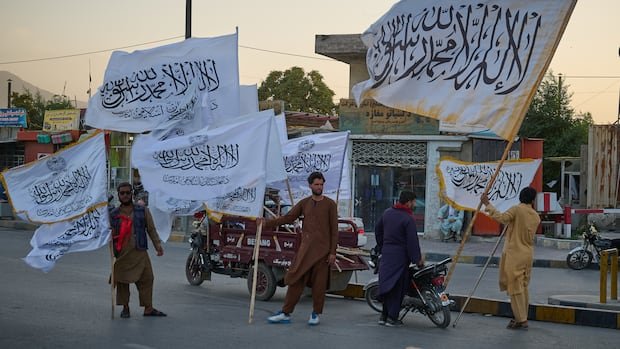
The Taliban’s resurgence not only displaced countless Afghans but also ushered in a repressive regime that systematically marginalizes women, suppresses free expression, and enforces strict moral codes. The plight of Afghan women has been particularly dire, with reports from organizations like The Zan Times highlighting escalating violence against women and a lack of accountability in cases of female deaths.
While several countries initiated special visa programs to evacuate high-risk individuals such as female judges, activists, journalists, and politicians from Afghanistan, challenges persist in ensuring their safety and rights. A recent report by Local Staff International and AfghanEvac assessed the effectiveness of allied nations’ evacuation and resettlement efforts, revealing shortcomings in both processes.
Despite welcoming over 60,000 vulnerable Afghans into Canada post-Taliban takeover, concerns remain for those still under the Taliban’s rule. Former Canadian combat commander Major-General Denis Thompson emphasized the need to extend support to eligible individuals left behind in Afghanistan.
The Allied Ledger report has drawn attention to the commitments made by countries like the United States and Canada in honoring their obligations to those who assisted American and NATO forces. U.S. Senator Chris Coons stressed the importance of upholding promises made during this critical chapter of recent history.