

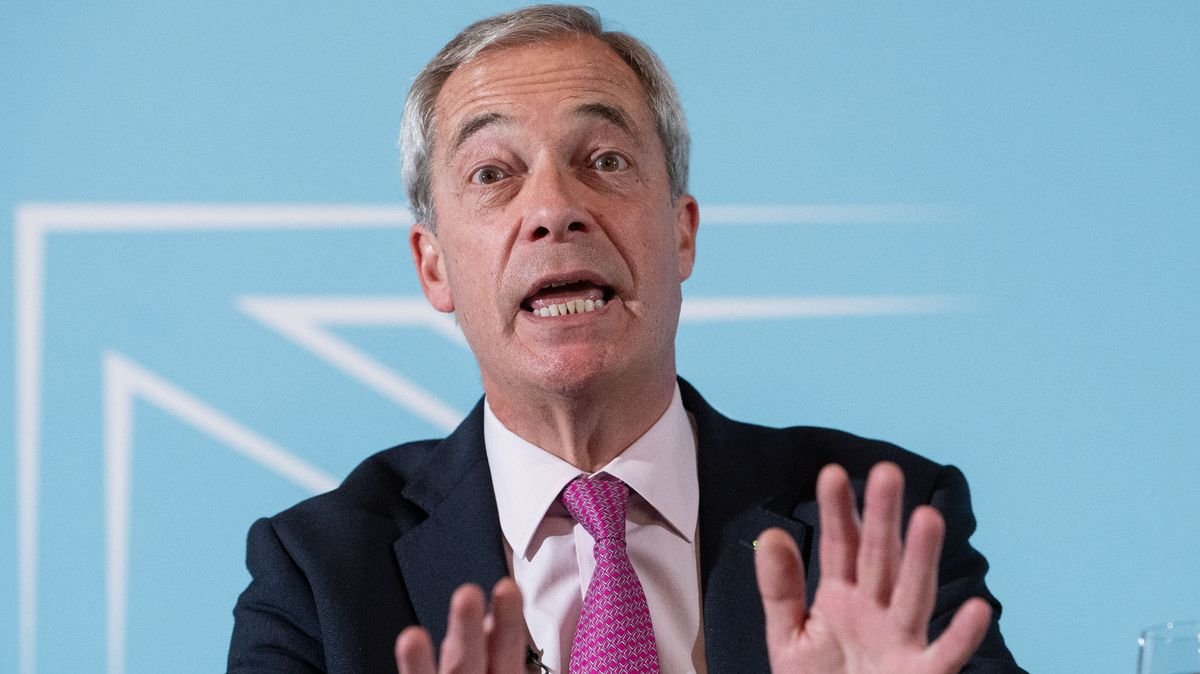

Reform UK has faced strong criticism for its proposed changes to the Personal Independence Payment (PIP) system, particularly for individuals with anxiety disorders. The party, led by Nigel Farage, announced plans to eliminate PIP for those with “non-serious” anxiety conditions and implement more frequent assessments for eligible claimants.
These reforms are part of a broader initiative to overhaul the welfare system, including transitioning to in-person assessments and establishing a “fast track to work” program for individuals losing their PIP benefits. Despite initial claims of all assessments being face-to-face, it was later revealed that only the majority would follow this approach.
Zia Yusuf, the party’s policy chief, emphasized substantial cost savings by tightening benefit regulations. However, concerns were raised over the lack of clarity on defining “non-serious” anxiety disorders and the potential impact on vulnerable individuals.
Critics, including Labour MP Jon Trickett and mental health charity Mind, denounced the proposals as cruel and misinformed. They argued that PIP eligibility is based on significant daily life challenges, not just diagnosis, and reducing support for mental health issues could exacerbate existing struggles.
Advocates like disability charity Sense highlighted PIP as a crucial resource for disabled individuals, emphasizing the need for respectful and supportive assessments. Labour MP Debbie Abrahams called for a compassionate approach, warning of dire consequences if essential support is withdrawn.
Reform UK’s stance on returning people to work as a primary solution was met with skepticism, with concerns about overlooking the complex needs of individuals relying on PIP. The government’s decision to review PIP eligibility criteria in light of recent controversies reflects ongoing debates surrounding disability benefits.
The evolving discourse around welfare reform underscores the importance of balancing fiscal responsibility with social empathy to support those most in need.